

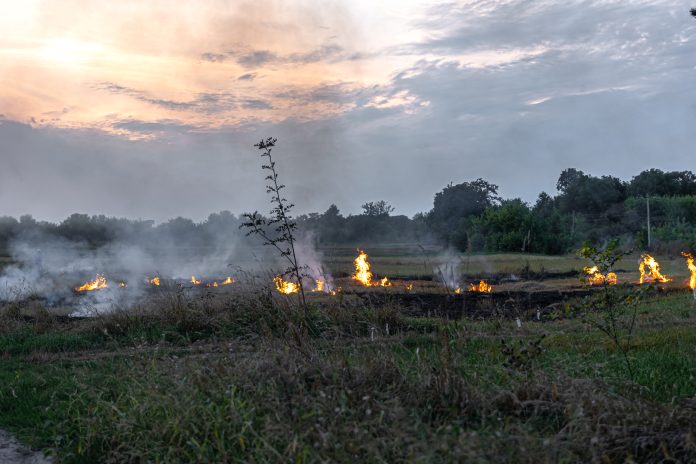

Australia is battling a severe climate-driven emergency as intense bushfires scorch vast tracts of southeastern forest and grassland under record heat. Prime Minister Anthony Albanese described conditions as “extreme and dangerous” while tens of thousands of residents faced evacuations, power cuts, and destroyed homes.
Fires Sweep Victoria and Beyond
Since mid-week, bushfires have burned more than 300,000 hectares (741,000+ acres) in the state of Victoria alone—an area larger than Tokyo.
Across the region:
- 130+ structures destroyed and 38,000 homes and businesses without power.
- Emergency fire danger warnings in both Victoria and New South Wales as temperatures soared above 40–42°C (104–108°F).
- Tens of thousands of firefighters are on the ground battling multiple blazes still considered “out of control.”
Victoria has declared disaster zones in 18 local government areas, and communities from Longwood to Walwa have faced evacuations, park closures, and intense fire behaviour.
Climate Change and Heatwaves: A Dangerous Mix
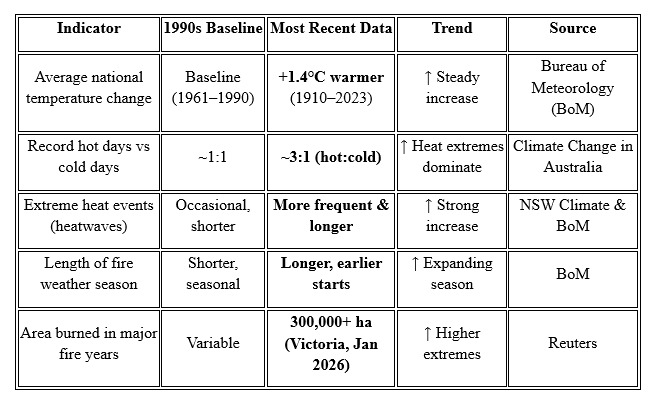
The data below shows how rising temperatures and heat extremes are reshaping Australia’s fire risk.
Australia’s climate is warming fast. The Bureau of Meteorology reports that national summer temperatures are likely to be above average, with below-average rainfall expected over inland regions—a combination that dries fuels and amplifies fire risk.
Long-term climate trends show:
- Australia’s mean surface air temperature has increased by more than 1.4°C since 1910, with every decade since 1950 warmer than the last.
- Extreme heat records now outnumber cool records by about 3 to 1 for daytime highs.
- Heatwaves—defined as 3+ days of unusually high temperatures—are occurring more often, lasting longer, and driving more severe fire weather.
This pattern mirrors global changes: 2024 was likely the warmest year on record globally, with average temperatures sitting near 1.55°C above pre-industrial levels—a major driver of more frequent and intense extreme weather such as heatwaves and wildfires.
Why It Matters
This crisis in Australia highlights how climate change worsens natural hazards. The combination of:
- Record heatwaves
- Drier landscapes
- Strong winds
intensifies fire behaviour, making blazes more unpredictable and destructive. Such conditions also strain emergency services, impact public health (especially heat stress), and threaten vulnerable communities and ecosystems.
These events are not isolated. They follow a trend of increasing climate extremes globally, with hotter summers, more frequent heatwaves, and longer fire seasons expected unless greenhouse gas emissions are rapidly reduced. Wildfires have wide social, economic and ecological costs—particularly for frontline communities.
Broader Context and Next Steps
Climate science underscores that without strong emissions cuts and adaptation planning, heatwaves and fire seasons will intensify. Emergency preparedness, community resilience measures, and adaptation funding are critical—especially for vulnerable populations.
As Australia responds to this disaster, global discussions on climate resilience and justice—such as at international climate forums—gain renewed urgency.