
South America on Fire: Wildfires Threaten Lives, Health, and the Environment
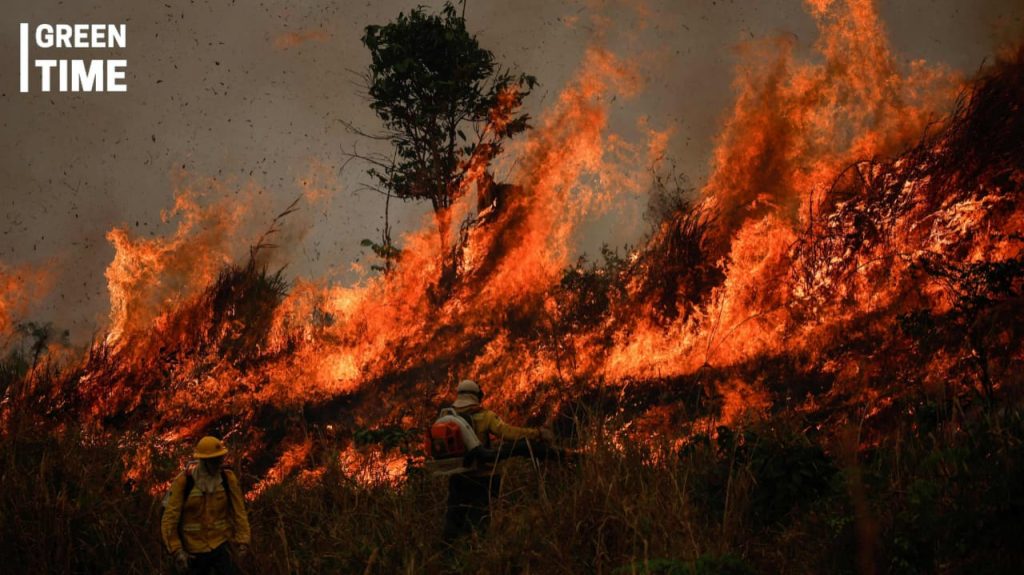
The skies of Rondônia, Brazil, once celebrated for their purity, have turned into a thick blanket of smoke. Wildfires, mainly man-made, are devastating large areas across South America, from Ecuador to Paraguay’s Chaco forest. These fires have forced schools to close and grounded flights in Porto Velho, Rondônia’s riverside capital. Health centers, like the polyclinic run by Dr. Lilian Samara de Melo Lima, are seeing a surge in respiratory issues and other health complaints. This year’s wildfires are worse than previous years. Ranchers and farmers have long used fires to clear land, but a historic drought, linked to El Niño and climate change, has exacerbated the situation. Erika Berenguer, a fire expert from Oxford University, noted that satellite data shows record fire “hotspots” across Colombia, Guyana, and Venezuela. The fires are not limited to Brazil, affecting countries across the continent. In Paraguay, fires have ravaged over 180,000 hectares of dry forest and savannah. The Ayoreo people, some of South America’s only uncontacted nomads, have seen their hunting grounds destroyed. Many fear for their survival as their food sources and shelter disappear. Peru has declared states of emergency in six regions as fires sweep through the Andes and Amazon. At least 20 people have died, and thousands of hectares have burned. Prime Minister Gustavo Adrianzén angered locals by blaming traditional slash-and-burn practices. Experts, however, say the fires were likely set to clear land for illegal farming, ranching, and coca cultivation. In Ecuador, Christian Rivera, a paramedic with 30 years of experience, said he had never seen a fire emergency on such a scale. Fires in the capital, Quito, continue to rage, fueled by the global climate crisis. Rivera emphasized the urgent need for action to combat these destructive blazes. In Bolivia, President Luis Arce declared a national disaster as wildfires ravaged 4.6 million hectares of forest, with 7 million hectares lost in Santa Cruz alone. This is the worst environmental disaster in the region’s history. Health officials in Porto Velho, like Marilene Penati, are urging people to take the climate crisis seriously. Quoting Pope Francis, Penati warned that the Earth is crying out for help. But despite the warnings, the world continues to ignore these urgent pleas, she lamented. South America’s wildfires are a stark reminder of the urgent need for global action to combat climate change and save our planet.
Brazil Battles Unprecedented Drought and Wildfires as Lula Visits the Amazon
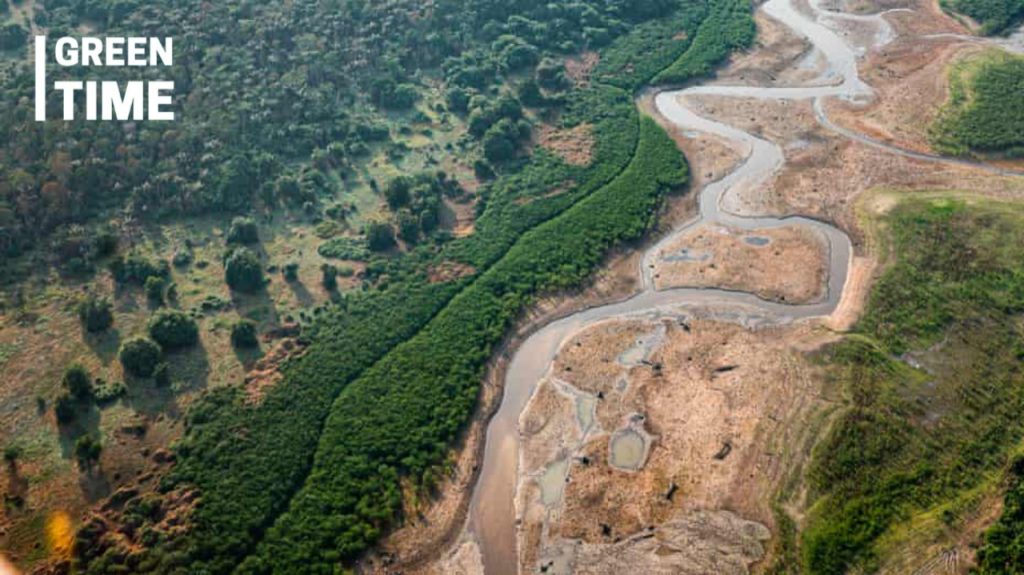
Brazilian President Luiz Inácio Lula da Silva has arrived in the Amazon to confront the alarming droughts and wildfires sweeping through vast portions of the country. In what is being described as the worst drought in over 40 years, President Lula visited riverside communities near the city of Tefé to witness firsthand the devastating impact on the mighty Amazonian rivers, many of which are now reduced to arid, desert-like landscapes. Lula expressed deep concern over the increasing severity of wildfires and droughts, which have ravaged three of Brazil’s critical biomes: the Amazon rainforest, the Cerrado, and the Pantanal wetlands. “It seems to me that things are getting worse, year after year after year,” he remarked during his visit to Amazonas state, where all 62 municipalities have declared a state of emergency, affecting over 340,000 residents. Lula’s concerns come as wildfires, often deliberately set, rage uncontrollably, consuming forests and ecosystems across Brazil. The drought has pushed the Pantanal, the world’s largest tropical wetland, into its worst crisis in 73 years. The consequences are being felt far beyond the Amazon. In Rio Branco, the capital of Acre state, schools have been closed, and flights were diverted due to heavy smoke. Porto Velho, the capital of Rondônia state, has seen the Madeira River fall to its lowest level since the 1960s. The effects of these climate events extend across Brazil, with even major cities like Rio de Janeiro and São Paulo seeing a sharp decline in air quality. According to Brazil’s space research institution, Inpe, smoke from the wildfires now covers a staggering 5 million square kilometers—approximately 60% of the country. Greenpeace Brazil’s Amazon campaigner Danicley de Aguiar said Brazil is facing a “gigantic drought” that is impacting not only the north but also regions across the midwest, south, and northeast. Indigenous communities have been hit especially hard, with large parts of their territories burning. Aguiar warned that the drought and fires could soon lead to widespread hunger, as crops that sustain Indigenous populations are jeopardized. Brazil’s environment minister, Marina Silva, attributes the crisis to global climate change and the intensifying effects of the El Niño weather phenomenon. As the situation worsens, Brazil faces an uncertain and perilous future.