
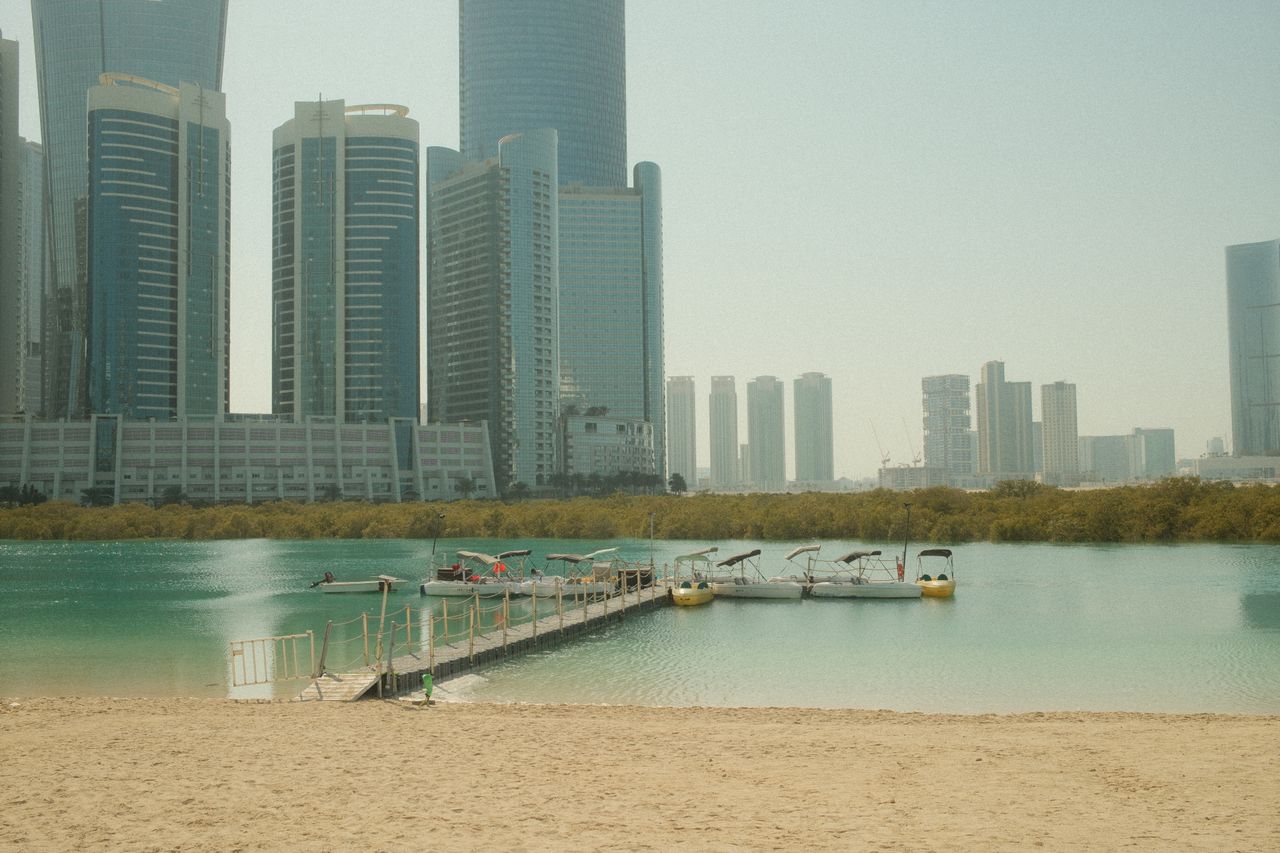


The United Arab Emirates and Senegal will co-host the 2026 United Nations Water Conference in Abu Dhabi in December, as governments face mounting pressure to accelerate action on water security, sanitation and climate resilience with the 2030 Sustainable Development Goals deadline approaching.
The conference will be held at the Abu Dhabi National Exhibition Centre from Dec. 8-10 and will focus on accelerating implementation of Sustainable Development Goal 6, which calls for clean water and sanitation for all.
An estimated 2.1 billion people worldwide still lack access to safely managed drinking water, while around 3.4 billion do not have safely managed sanitation services, according to the United Nations.
Population growth, pollution, rising water demand, environmental degradation and climate change are putting additional pressure on freshwater resources and water infrastructure around the world.
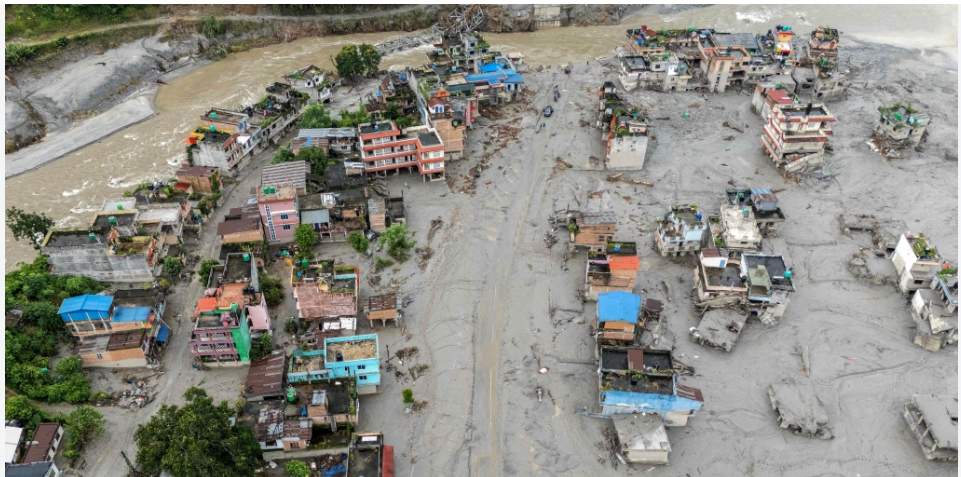
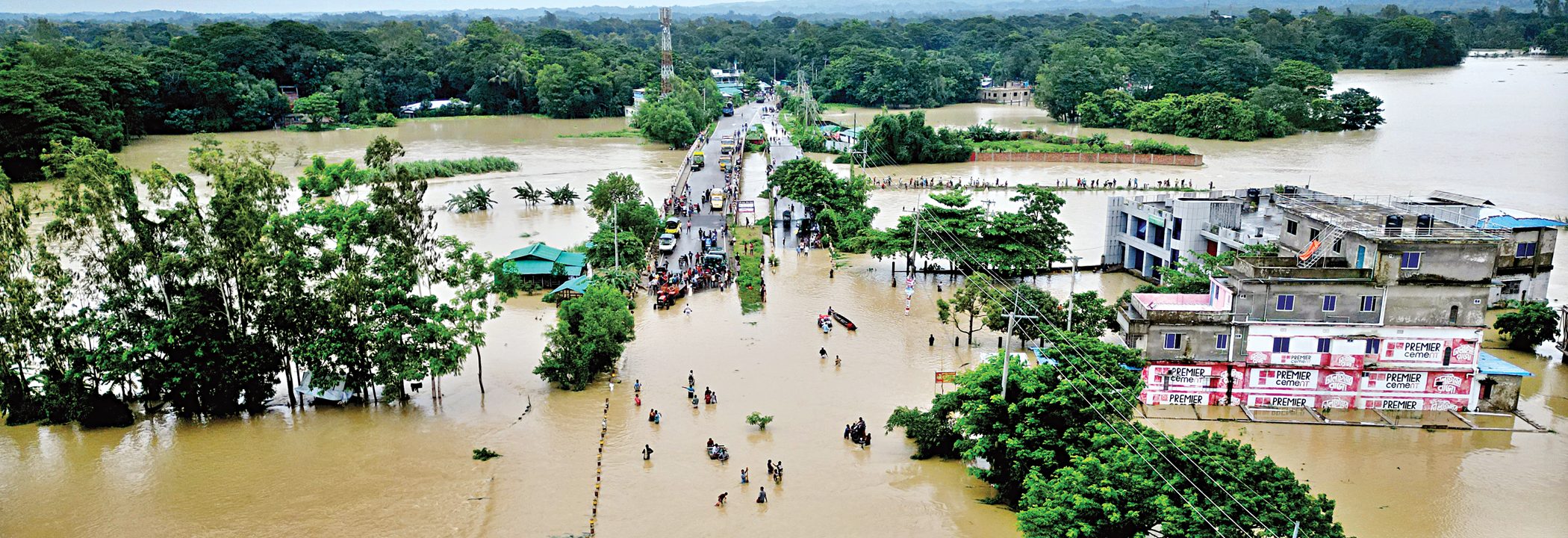
The conference comes as extreme weather increasingly exposes the connection between water and climate change. Longer droughts are affecting agriculture and drinking-water supplies in some regions, while heavier rainfall and flooding are damaging infrastructure and contaminating water sources elsewhere.
For climate-vulnerable countries, water security has also become closely linked with food production, public health, energy, migration and disaster resilience.
The UAE has said it wants the Abu Dhabi meeting to move beyond political commitments and focus on implementation, financing, investment and practical solutions.
UAE Assistant Minister of Foreign Affairs for Energy and Sustainability Abdulla Balalaa said in September that the hosts were working towards an inclusive and action-oriented conference aimed at turning commitments into tangible action and accelerating affordable and scalable solutions.
The conference will organise negotiations and discussions around six main areas: water for people, water for prosperity, water for the planet, water for cooperation, water in multilateral processes and investment in water.
Those discussions will cover issues including universal access to drinking water and sanitation, wastewater management, the water-energy-food relationship, climate adaptation, biodiversity, disaster-risk reduction, transboundary rivers, finance and technological innovation.
Financing is expected to be one of the major issues in Abu Dhabi.
Developing countries require significant investment in drinking-water networks, sanitation, irrigation, wastewater treatment, flood protection and climate-resilient infrastructure, but many face limited access to affordable finance.
The UAE and the United Nations have said the conference will seek to mobilise partnerships and investment while raising water higher on the international development agenda.
Transboundary water management is also expected to receive significant attention.
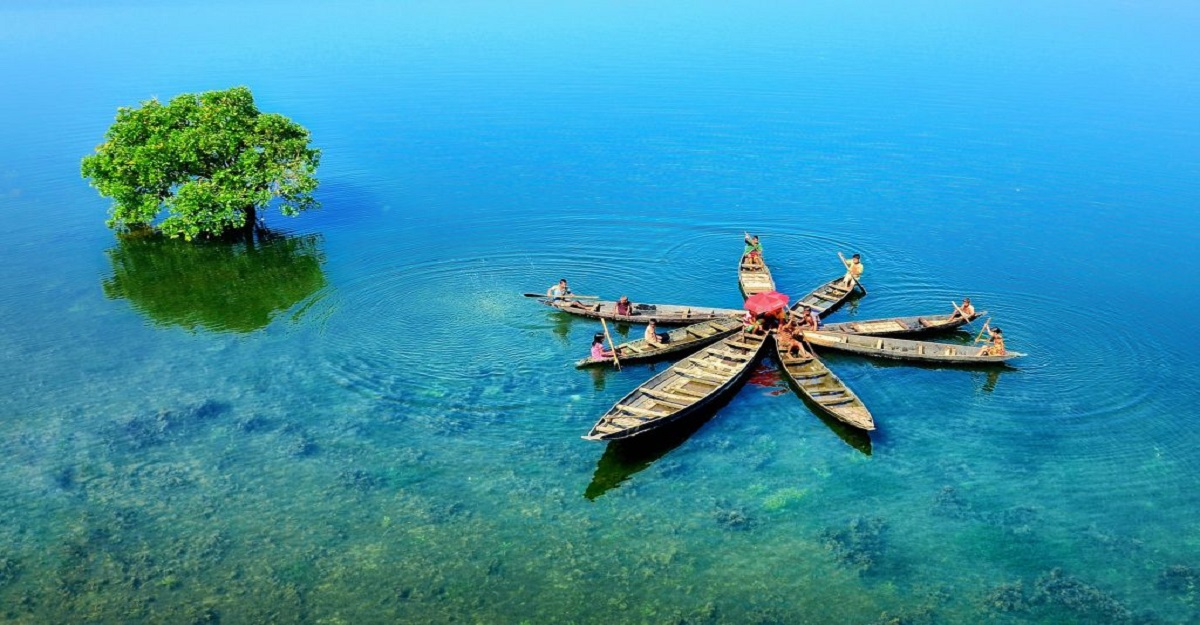
Many major rivers, lakes and groundwater systems cross national borders, making cooperation between states increasingly important as climate change alters rainfall, river flows and demand for water.
The issue has particular significance for regions such as South Asia, Africa and the Middle East, where millions of people depend on water systems shared by two or more countries.
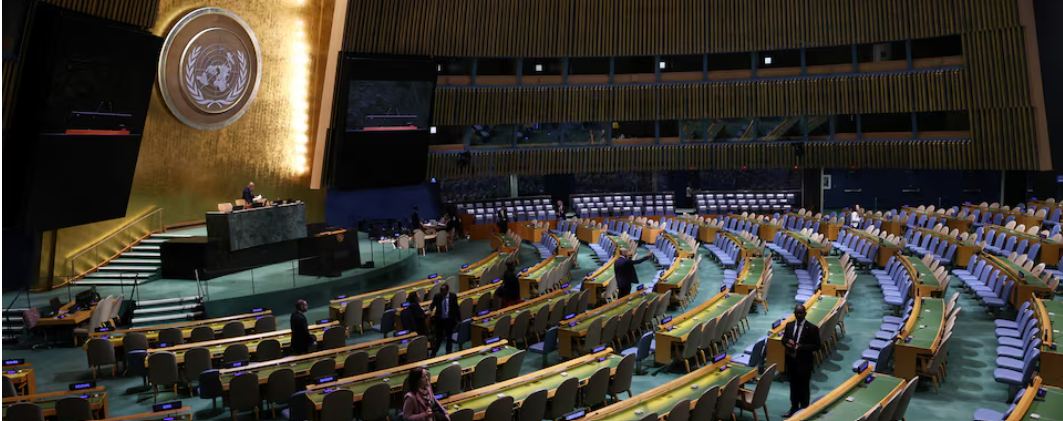
The Abu Dhabi conference will build on the 2023 UN Water Conference in New York and comes with just four years remaining before the 2030 deadline for achieving the Sustainable Development Goals.
The UAE has stepped up diplomatic preparations in recent months, using meetings at the United Nations and other international forums to promote the December conference and encourage governments, investors, researchers, civil society groups and young people to participate.
During the UN General Assembly’s high-level week in New York, the UAE hosted several discussions on water investment, youth participation and sustainable water solutions as part of preparations for the conference.
The location of the conference is also significant.
The Middle East is among the world’s most water-stressed regions, and Gulf countries have invested heavily in desalination, wastewater reuse and technologies designed to manage limited freshwater resources.
But officials and experts increasingly argue that technology will have to be combined with stronger governance, financing, conservation and international cooperation if the world is to close the gap in access to safe water.
The Abu Dhabi conference is therefore expected to serve as an important test of whether governments can translate growing international concern over water scarcity into measurable commitments before 2030.
For vulnerable communities, the consequences extend well beyond access to drinking water.
As drought, flooding, salinity and competition for freshwater intensify, water security is increasingly becoming a central part of climate, food, economic and human security.
— Green Time – Global Desk