





-Mamun Kabir
My hometown is in Daulatpur Upazila of Manikganj District, through which the Jamuna River flows. Among the eight unions of our upazila, five are located entirely within the chars of the Jamuna. Although my own home is in the upazila headquarters, I have witnessed, from a very young age, the suffering and hardship of people displaced by riverbank erosion in the char areas. River erosion forces char dwellers into a nomadic way of life—when the river takes their land, their homes disappear into its depths. Families are compelled to relocate to new places, disrupting their socio-economic stability. Education, healthcare, and basic rights and services are severely affected.
The direct impacts of climate change are clearly visible in the lives of people living along the riverbanks and on the char lands, as well as in the changing behavior of the river itself. In riverine Bangladesh, almost all major rivers are surrounded by extensive char regions.
Reports from Concern Worldwide (2021), including “Understanding the impact of climate change on poor and vulnerable Char people,” show that island-type chars remain extremely vulnerable due to weak economic and infrastructural conditions, with nearly 6 million people repeatedly exposed to floods, erosion, and crop loss. The report recommends community-based adaptation and strengthened social protection systems.
World Bank documents on river management and riverbank erosion highlight national-scale strategies—such as river training, dredging, bank stabilization, and strengthened local governance—to reduce long-term risks. These reports note that the rapid formation and disappearance of chars make integrated river management essential for effective rehabilitation and compensation.
Population of the Char Regions and Their Vulnerable Geography
In Bangladesh, the term char generally refers to temporary or semi-permanent landmasses formed by the accumulation of sandy or silty sediments in the middle of rivers or along riverbanks. These chars are highly dynamic in nature; due to excessive sediment deposition, shifting river courses, floods, and continuous processes of erosion and accretion, char lands are created and disappear every year. Banglapedia describes these char areas as “riverine lands formed through continuous processes of land creation,” which are used for settlement, agriculture, and livestock rearing, yet their stability remains extremely uncertain.
Among Bangladesh’s major rivers—Brahmaputra-Jamuna, Padma, Meghna, Teesta, Dhaleshwari, and others—the rate of char formation is highest in the Brahmaputra-Jamuna and Padma river basins. Although char lands occupy a significant portion of the country’s geographical area, they undergo dramatic changes each year. Thus, the geography itself becomes a crisis—ephemeral land, unclear land ownership, constant threats of riverbank erosion, and annual monsoon flooding are everyday realities for char dwellers.
Various studies highlight that a substantial portion of Bangladesh’s population still resides on these char lands. According to Banglapedia’s 1993 data, more than 1.3 million people lived in the chars of the Jamuna River alone. Over the past three decades, changes in river courses, sediment deposition, and newly emerging chars have expanded human settlements. Recent studies show that in the Brahmaputra–Jamuna, Padma, and Teesta basins, almost 20–25 million (2 to 2.5 crore) people currently live in or depend directly or indirectly on char and riverbank regions—approximately 12–15% of the country’s total population.
Recent UNFCCC and IPCC assessments clearly identify Bangladesh’s riverine char areas as among the country’s “high exposure zones,” owing to a combination of rising river water levels, heavier and more erratic rainfall, increased upstream flow driven by glacial melt, irregular and prolonged flooding, severe riverbank erosion, and even water scarcity and drought during the dry season. Together, these interconnected climate stressors make the char regions one of the most vulnerable landscapes in Bangladesh, where both livelihoods and settlements face constant and escalating risks.
Research indicates that the course of the Brahmaputra-Jamuna River can shift by nearly 50–200 meters each year. The rate of land loss due to erosion is several times higher in char regions compared to the national average—many areas report that 60–70% of families have lost land at least once in their lifetime. More than 60% of char land remains seasonally inactive or waterlogged during floods, creating long-term pressures on food security, income sources, and permanent settlement.
In the Teesta River basin, char formation changes comparatively rapidly. Excessive monsoon flows and extreme dry-season water scarcity—two opposing conditions—make life highly insecure for Teesta char communities. Although char lands in the Padma River are larger, the river’s strong currents intensify erosion and make land ownership unstable. Residents of the Padma’s mid-channel chars and areas like Naogaon, Rajshahi, Chapainawabganj, Kushtia, and Rajbari are accustomed to gaining new land one year and losing it the next.
Char lands are not merely a geographic entity; they represent a zone of human vulnerability. Land instability, limited access to markets and services, insufficient education and healthcare, livelihood insecurity, frequent floods, and relentless erosion combine to make char dwellers one of the most at-risk populations in Bangladesh. Climate change exacerbates these conditions, posing increasing threats to both human life and the natural environment in the future.
Examples of the Real Hardships Faced by People in the Char Regions
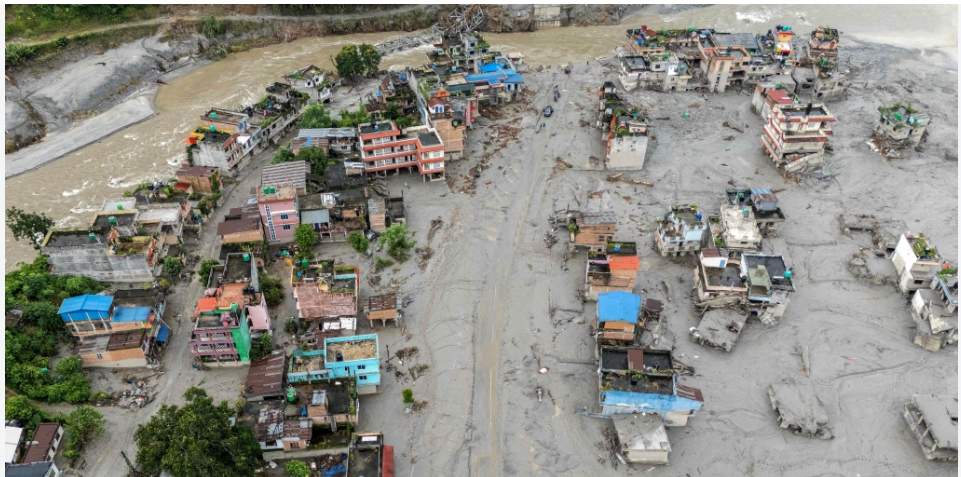
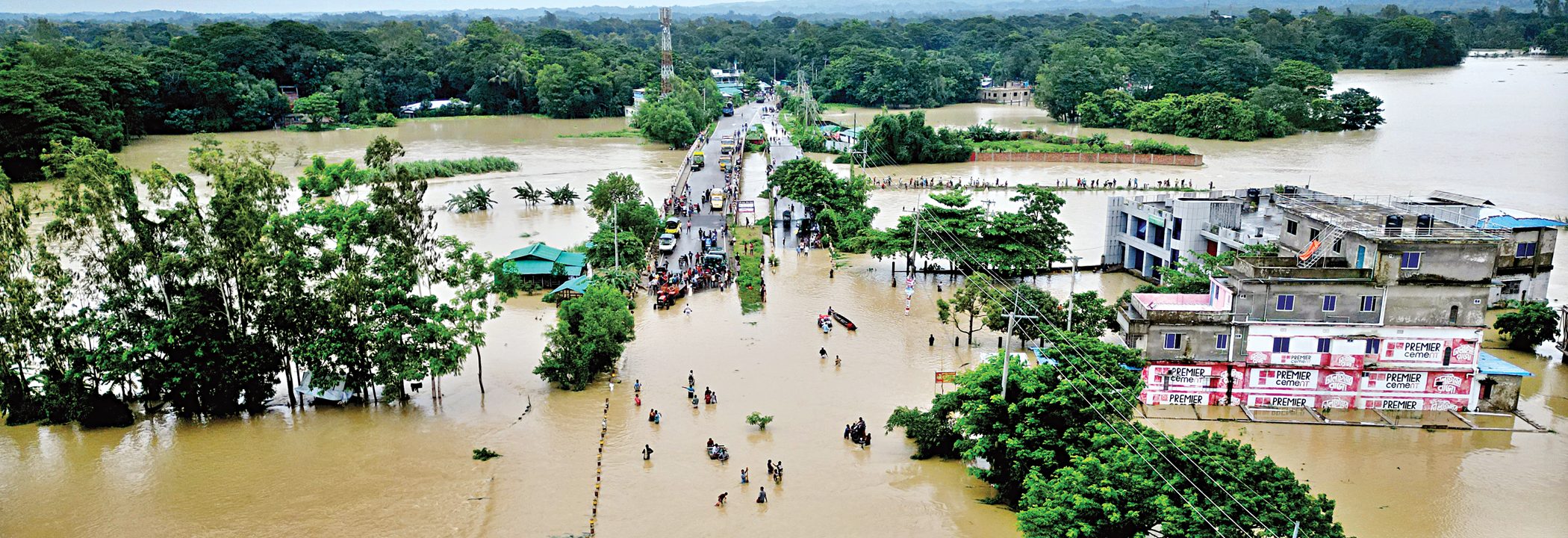
Across the riverine char areas of Bangladesh, people endure severe and persistent hardships shaped by flooding, river erosion, and unstable land. Recent reports show that in the Padma River char areas—particularly several char villages in the Rajshahi region—over 15,000 people are suffering intensely due to prolonged waterlogging and erosion. According to the report, families from 14–15 char villages have had to relocate multiple times. Many households have lost their homes; in some villages entire localities have become inundated, forcing people to travel by boats or makeshift floating tin rafts. Schools, especially primary institutions, are frequently displaced or closed due to riverbank erosion and flooding.
Geomorphological analyses from 2020–2021 (e.g., B. Hossain; M. S. Rahman) show that frequent floods and erosion have increased forced internal displacement among poor households, resulting in long-term economic and psychological distress, along with reduced access to health and education.
In the Brahmaputra char areas, flooding and waterlogging have created multiple vulnerabilities for families, especially women and children, including lack of safe sanitation, school closures, insecurity, and worsening health conditions. Repeated displacement due to erosion and flooding destroys long-standing social bonds and family networks, forcing people to move to new chars or nearby riverbanks. This constant mobility weakens community cohesion, economic stability, and personal identity. Such harsh realities—persistent loss, instability, and uncertainty—define the daily lives of char dwellers in the ever-changing river and climate landscape.
Increasing Hardship in Char Regions Under Climate Change: Research-Based Insights
Different studies have examined the link between char vulnerability and climate change. In one survey of 280 internally displaced char families, frequent floods, riverbank erosion, and loss of cropland were identified as the main drivers of permanent relocation. The same study notes that char residents perceive rising summer heat, colder winters, repeated flooding, and increased disease outbreaks as clear manifestations of climate change. Another analysis reveals that nearly 80% of char households fall under the “ultra-poor” category, meaning their capacity to save resources or rebuild after natural disasters is extremely limited. The losses faced by char dwellers are not temporary—repeated displacement, destruction of crops and livestock, breakdown of social structures, and lack of health and education services together create a long-term cycle of suffering. This cycle gradually becomes a persistent trap, affecting both livelihood and well-being. Bangladesh’s Adaptation Fund submissions (2017–2019) acknowledge that irregular rainfall, altered river navigability, and intensified flood–drought cycles threaten traditional agriculture and ecosystems in riverine islands.
As part of the support provided by ANDHERI HILFE Bonn e.V., Germany for climate-affected communities in the char regions, we recently visited several areas in Bangladesh, including the vast char lands of the Brahmaputra River in Gaibandha, the Padma River in Faridpur, and the Teesta River in Lalmonirhat. During these visits, we spoke with many people who are severely impacted by the effects of climate change and learned how they endure extremely harsh and unbearable living conditions. We also observed how climate change has disrupted their social and economic lives, pushing many households from poverty into extreme poverty. During our visits, we were able to witness firsthand the realities documented in various studies.
Climate Adaptation: Possibilities and Challenges
A range of climate adaptation measures could significantly improve living conditions in Bangladesh’s char regions—areas highly exposed to flooding, erosion, and river line shifts. Affordable, portable, and resilient housing solutions remain one of the most promising options. Because chars frequently erode or shift, homes built on raised plinths, sand-filled foundations, or floating platforms can offer safer and more stable living conditions. Over the long term, more durable settlement planning—aligned with river dynamics, erosion trends, and flood risks—could help communities remain secure.
Agriculture adapted to waterlogged and flood-prone environments also offers substantial potential. Floating farming, elevated cultivation beds, crop diversification, and improved irrigation and water-control systems provide farmers with alternatives as rising temperatures and erratic rainfall make crop losses more likely.
Research has shown that char residents are aware of climate risks and willing to adopt low-cost measures such as plinth elevation, seed diversification, and seasonal adjustments. However, limited financial resources, weak access to markets, and a lack of technical training often prevent wider adoption of these practices.
Protecting riverbanks and strengthening water-management systems are equally important. Stabilizing these fragile lands requires integrated strategies—embankment construction, land conservation, dredging, and improved river governance that takes climate variability into account. Development plans must also recognize the unique vulnerabilities of char areas by ensuring better access to education, healthcare, communication, drinking water, and sanitation. Stronger social safety nets and rehabilitation support can help families recover more quickly after climate-related shocks.
Despite these possibilities, the constraints are significant. Chars can form and erode within short periods, making permanent infrastructure and long-term planning difficult. Extreme poverty limits the ability of residents to invest in resilient housing or improved agricultural technologies. Investments in char-focused infrastructure remain inadequate, slowing adaptation efforts. Additionally, unpredictable river morphology—driven by upstream water flows, rainfall variation, and broader climatic changes—makes effective management challenging. Without long-term policy commitment and coordinated river management at regional and international levels, adaptation in char regions will remain constrained.
Why Adaptation in the Char Regions Is Urgently Needed — and What We Must Do
From the standpoint of climate justice, environmental protection, river conservation, and community advocacy, strengthening adaptation efforts in Bangladesh’s char regions has become a critical priority. These areas face repeated flooding, erosion, and displacement—conditions that trap millions of people in a cycle of poverty and insecurity. With well-designed strategies focusing on safer housing, climate-resilient agriculture, and improved land and river management, it is possible to reduce this vulnerability and create pathways toward long-term stability.
The char regions should not be viewed only as zones of crisis. With the right policies, planning, and investments, they hold significant potential for progress—particularly in agriculture, crop diversification, riverine transport, and sustainable river-based livelihoods. Effective adaptation would not only reduce disaster risks but also pave the way for improvements in education, healthcare, social protection, and overall economic well-being.
In the context of your work—whether focused on river conservation, climate advocacy, environmental justice, or issues such as PFAS and water pollution—engaging with these challenges is both relevant and impactful. Understanding the realities faced by char communities, advocating for policy reforms, and supporting community-led solutions can contribute meaningfully to long-term resilience.
Research and field studies, including works like Riverbank Erosion and Migration in Bangladesh’s Char Lands (2013–2020), show how repeated displacement leads to landlessness, fractured social networks, interrupted education for children, and a deepening of long-term vulnerabilities. These findings underscore the need for stronger land rights, compensation mechanisms, and integrated services within resettlement and rehabilitation frameworks.
Recommendations for Adaptation and Advocacy Planning in Char Regions
Effective adaptation in the char areas requires stronger research, community engagement, and targeted policy action. First, there is a need to develop a detailed and updated database on population, settlements, livelihood patterns, flood history, river behavior, and projected climate impacts. Such evidence can guide national policies, budget planning, and climate adaptation programs, ensuring that decisions are grounded in real conditions.
Equally important is direct engagement with char communities. Participatory research helps capture their lived experiences, challenges, and coping strategies. Community-led adaptation—such as raised plinth houses, floating homes, small boats for mobility, and localized emergency response systems—can significantly strengthen resilience and ensure that solutions reflect local realities.
Improving river conservation is another priority. Regular monitoring of river flow, sedimentation, and erosion, along with strong coordination between upstream and downstream regions, is necessary. Nature-based solutions—like protecting floodplains, wetlands, and natural water-retention areas—can improve river health and reduce disaster risks in a sustainable way.
Adaptation will also require improvements in communication, education, healthcare, sanitation, and social protection systems. Char-specific schools and health centers, safe drinking water, sanitation facilities, and reliable transport routes are essential for building long-term resilience. Stronger social safety nets—such as post-flood support, land rights, compensation, and ensured access to food and water—can help families avoid falling deeper into crisis.
Finally, sustained advocacy at both local and national levels is crucial. Char issues must be included in national climate policies, climate funds, and development programs. Raising public awareness, engaging the media, and highlighting char dwellers as one of the most climate-vulnerable groups can draw greater national and international support and ensure that their voices are heard.
 Writer: Mamun Kabir, Program Manager- ANDHERI HILFE Projects, CPA Consult Pvt. Ltd.