



By Climate Desk
If it feels like the world is trapped in a compounding loop of record-shattering heat and choking smoke, it is because the numbers show we are.
The past two to three months have not just been uncomfortably warm; they have rewriting the history of global climate metrics. From the unusually early heatwaves baking Western Europe to the millions of acres already scorched across North America, the data is delivering an unequivocal verdict: climate change is no longer a looming threat. It is actively fueling a global crucible.
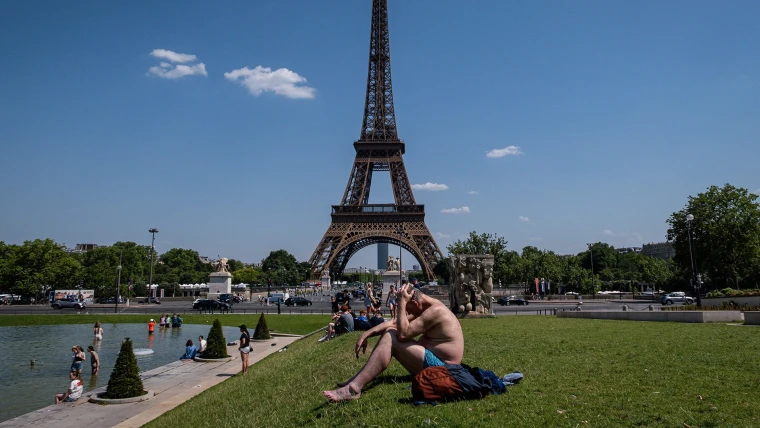
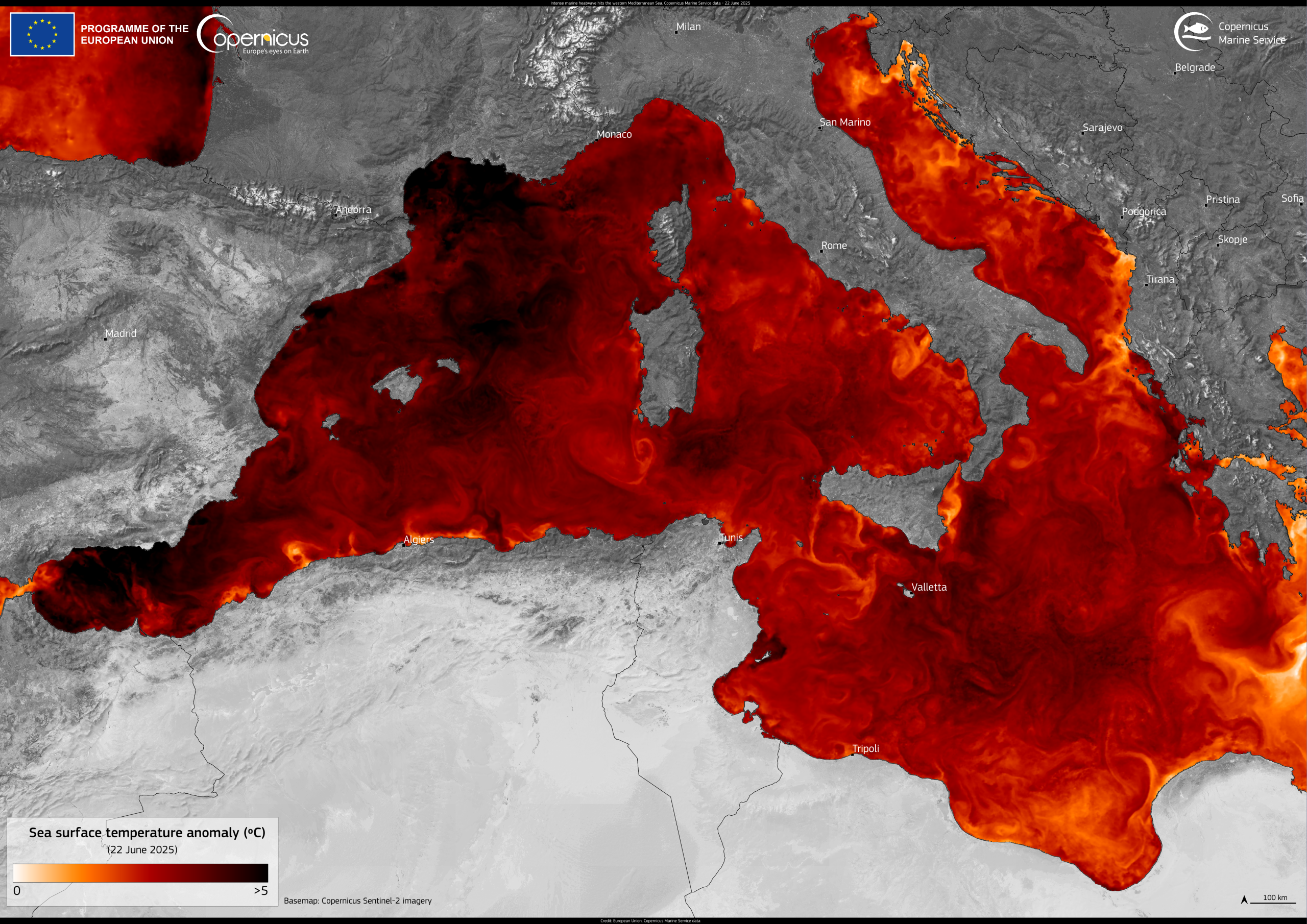
Recent metrics from the Copernicus Climate Change Service confirm the trajectory. April 2026 tied as the joint third-warmest April on record globally, registering a staggering 1.43°C above pre-industrial levels. Rather than offering a reprieve, May 2026 surged even higher, officially logging in as the second-warmest May in recorded history. Western Europe witnessed a historically intense heatwave in late May, with localized temperatures soaring more than 10°C above historical averages.
This is not a statistical anomaly; it is a rapid, sustained baseline shift. Over the last 12 months, the global average temperature has hovered roughly 1.42°C above pre-industrial averages. We are hovering dangerously close to the 1.5°C threshold outlined in the Paris Agreement, pushing our ecosystems into unfamiliar, volatile territory.
From Rising Mercury to Igniting Tinderboxes
The direct consequence of this rapid warming is the global acceleration of wildfires. Heat acts as an environmental atmospheric sponge, rapidly pulling moisture from soils, grass, and trees, transforming lush ecosystems into vast fields of tinder.
The data from the current 2026 wildfire season illustrates this reality vividly:
- The United States: Data from the National Interagency Fire Center (NIFC) reveals that as of mid-June 2026, over 32,300 wildfires have burned more than 2.5 million acres nationwide. This is nearly double the 10-year average of 1.43 million acres for this point in the year.
- Canada: Following consecutive years of historic, catastrophic fire seasons, Canada is already tracking early droughts and high-risk conditions, particularly across the Atlantic provinces and the Northwest Territories, with over 166,000 hectares burned before summer even officially commenced.
- Europe: The threat has escalated so rapidly that the European Union deployed its largest-ever wildfire response preparation for the summer, strategically pre-positioning nearly 800 firefighters and a massive fleet of aircraft across high-risk zones in Cyprus, Greece, Italy, France, Spain, and Portugal.
The relationship between climate change and these fires is a vicious feedback loop. Rising greenhouse gas emissions trap heat, which raises global temperatures. Higher temperatures dry out forests, leading to more frequent, intense, and unseasonable blazes. Finally, as millions of acres of forest burn, they release gigatons of stored carbon back into the atmosphere, further accelerating global warming.
When the planet breaks temperature records month after month, the environment responds in kind. The fires we are seeing in California, the smoke plumes tracked in Canada, and the emergency mobilizations across the Mediterranean are the direct physical manifestations of data points on a climate chart.
We can no longer afford to treat wildfires as isolated, seasonal natural disasters. They are the downstream effects of systemic global warming. As the planet continues to heat up at an unprecedented pace, the data serves as both a mirror of our current reality and a warning of our future. If we do not aggressively curb emissions and address the root cause of this warming, the map of our world will continue to be rewritten in ash.