




Santa Marta, Colombia | 20 April 2026
A major international climate event is set to take place in the coastal city of Santa Marta, positioning it at the center of global efforts to accelerate the transition away from fossil fuels. The First International Conference on Transitioning Away from Fossil Fuels, co-hosted by Colombia and the Netherlands, will run from April 24 to April 29, 2026, bringing together governments, experts, and civil society leaders. (Geneva Environment Network)
Background: Why Santa Marta Matters


The choice of Santa Marta is symbolically significant. As a major coal-exporting port, the city reflects the economic realities of fossil fuel dependence while serving as a platform for change. (Fossil Fuel Treaty)
The conference emerges in response to perceived shortcomings in global climate negotiations, particularly the failure of the COP30 climate summit to explicitly commit to phasing out fossil fuels.
Key Objectives of the Conference
The Santa Marta conference aims to go beyond discussion and push toward practical, coordinated action. Its main goals include:
- Building a “coalition of the willing”—countries committed to ending reliance on fossil fuels
- Identifying financial and policy mechanisms to support clean energy transitions
- Ensuring a just and equitable transition, particularly for developing nations and vulnerable communities
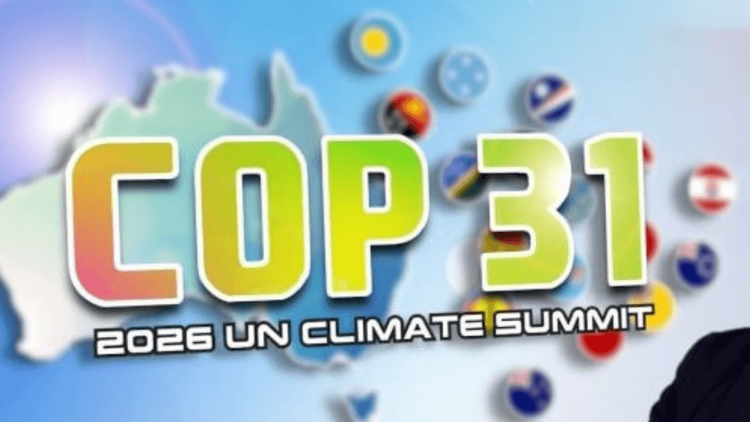
- Creating a roadmap that will influence future global negotiations, including COP31 (Geneva Environment Network)
Unlike traditional UN climate summits, this conference is designed as a flexible, action-oriented platform, allowing faster progress among willing participants.
Geopolitical Context and Urgency
The timing of the conference is closely tied to global energy instability. The ongoing Middle East crisis has exposed the risks of dependence on oil and gas, reinforcing calls for renewable alternatives. Colombia’s Environment Minister, Irene Vélez Torres, has emphasized that such crises should accelerate—not delay—the shift toward clean energy.
However, the absence of major emitters like the United States and China highlights ongoing divisions in global climate policy.
Participation and Structure
More than 40 countries, including both developed and developing economies, are expected to attend. The conference will focus on three main pillars:
- International cooperation frameworks
- Energy system transformation strategies
- Economic and social impacts of transition
Importantly, the event will also include participation from Indigenous groups, NGOs, and regional governments—broadening the scope beyond national leaders.
Analysis: A Turning Point or Parallel Process?
The Santa Marta conference represents a shift toward what analysts call “two-speed climate diplomacy.” Rather than waiting for universal agreement, smaller groups of committed countries are moving ahead independently.
Challenges: Lack of participation from major polluters. Risk of fragmented global policy. Limited enforcement mechanisms
If successful, the conference could establish a new model for climate cooperation, influencing future summits and accelerating real-world implementation of green policies.
Looking Ahead
Outcomes from Santa Marta are expected to feed directly into global climate discussions later in 2026, with a follow-up conference already planned in Pacific island nations.
As the world faces increasing climate and energy pressures, the Santa Marta conference may prove to be a decisive moment—either as a catalyst for meaningful change or as another step in a fragmented global response to the climate crisis.