




By Md Faysal
For millions of people in climate-vulnerable countries, climate change is not a distant scientific forecast. It is the farmer who watches saltwater ruin a rice field, the fishers who cannot go to sea because of worsening weather, the small trader whose shop is destroyed by flooding, or the family forced to leave its home after river erosion. Climate change first appears as a loss of income.
Soon after, it becomes a loss of food security, education, health, shelter and dignity. That is why climate finance must not be treated as an abstract diplomatic issue. It is, above all, a question of livelihoods. When world leaders gather in Antalya, Türkiye, for COP31 from 9 to 20 November 2026, they will have another opportunity to prove whether global climate commitments can make a difference in the daily lives of vulnerable people.
The conference should not become another exercise in producing impressive figures, carefully negotiated statements and distant promises. COP31 must ensure that climate finance reaches communities quickly, fairly and in forms that help them protect their livelihoods before climate shocks push them deeper into poverty. Bangladesh offers a clear example of why this matters. The country has made remarkable progress in disaster preparedness. Cyclone shelters, early-warning systems, community volunteers and evacuation planning have saved countless lives over the years.
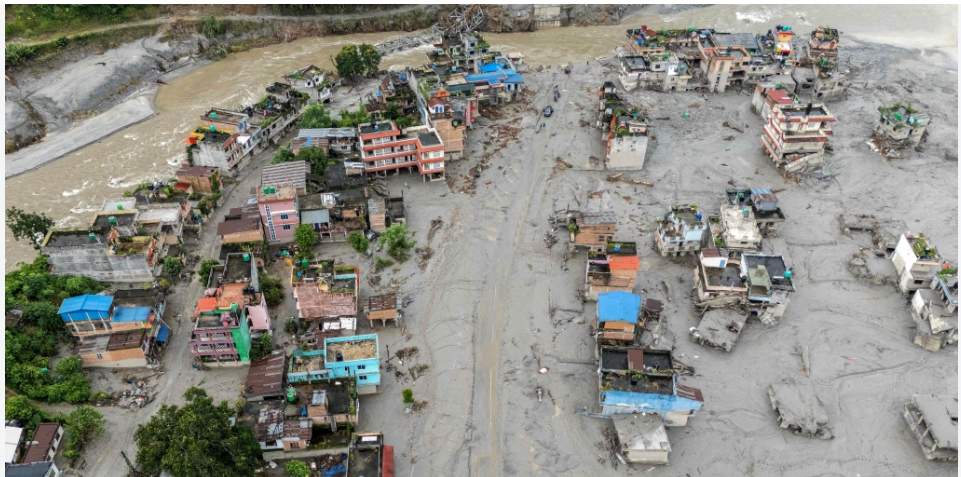
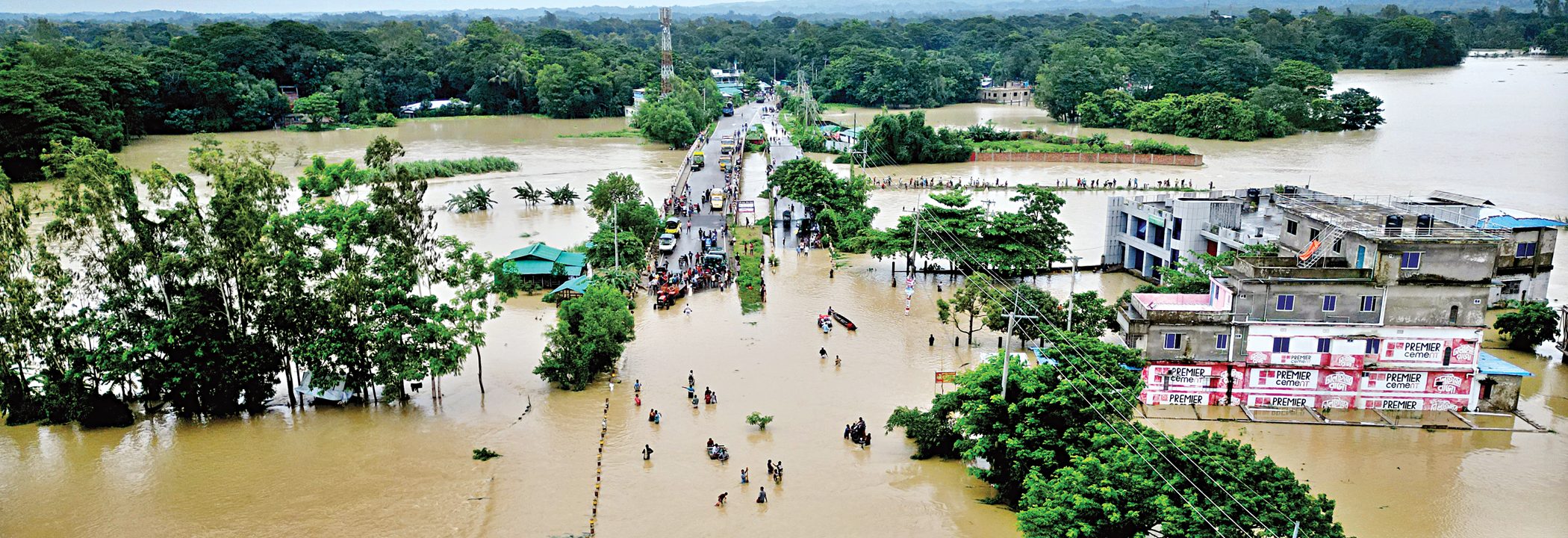
Yet saving lives during a disaster is only one part of the challenge. Protecting livelihoods after the disaster is equally important. A cyclone may not kill a farmer, but it can destroy the season’s crops. Floodwater may recede, but it can leave behind damaged roads, lost livestock, contaminated water and debt. Salinity intrusion may not make headlines every day, but it can gradually reduce agricultural productivity and make traditional farming impossible. Riverbank erosion may displace a family overnight, leaving them without land, work or security.
The World Bank estimates that tropical cyclones cost Bangladesh around US$1 billion every year on average. It has also warned that climate variability and extreme events could reduce Bangladesh’s agricultural GDP by as much as one-third by 2050. This is deeply worrying because agriculture remains linked to roughly half of employment in the country. When agriculture suffers, the consequences spread far beyond the farm. Rural labourers lose work, food prices rise, small businesses struggle and poor households become more vulnerable. Climate change is also becoming a major driver of displacement. According to the World Bank, up to 13.3 million people in Bangladesh may become internal migrants over the next 30 years because of climate impacts related to agriculture, water scarcity and rising sea levels. This does not mean migration itself is a failure. Migration can be a practical strategy for survival. But when people are forced to move without skills, savings, housing, jobs or social protection, migration can become another form of hardship.
At COP29, countries agreed that developed countries should take the lead in mobilising at least US$300 billion annually for developing countries by 2035. The wider goal is to scale climate finance from public and private sources to US$1.3 trillion per year by 2035. These commitments are important, but they are not enough simply because they sound large.
The real test is whether the money becomes available to climate-vulnerable countries in time, whether it is provided as grants rather than debt, and whether it reaches local communities rather than remaining trapped in complicated international procedures. The scale of the global problem makes this urgency even clearer. UNEP’s 2025 Adaptation Gap Report found that international public adaptation finance flowing to developing countries was only US$26 billion in 2023, while estimated adaptation needs could reach US$310–365 billion annually by 2035. The gap is not merely a financial statistic.
It represents farms that cannot adapt, homes that cannot be rebuilt, communities that cannot prepare and families that are left to absorb climate losses alone. For Bangladesh, the financing challenge is particularly serious. Bangladesh’s National Adaptation Plan (2023–2050) estimates that the country will need around US$230 billion for adaptation, or approximately US$8.5 billion every year.
A large part of this is expected to come from external sources. Bangladesh cannot be expected to bear this burden alone while facing climate impacts caused largely by emissions for which it has had little historical responsibility. COP31 must therefore shift the debate from promises to delivery. First, climate finance must be predictable. Vulnerable countries cannot plan long-term adaptation when funding arrives irregularly, in small amounts or only after lengthy negotiations. Farmers need support before salinity destroys their land, not years after the damage is done.
Coastal communities need resilient housing, fresh-water systems and livelihood alternatives before the next cyclone arrives, not after their homes have been washed away.
Second, climate finance must be more grant-based. Loans may appear useful on paper, but they can deepen the debt burden of countries already struggling with climate disasters. It is unfair to ask vulnerable countries to borrow money simply to protect themselves from a crisis they did not create. Grants, concessional finance and non-debt-creating support should therefore become central to global climate-finance arrangements. Third, adaptation must receive the same level of seriousness as mitigation. Reducing global emissions is essential, but people in Bangladesh and other vulnerable countries are already living with the consequences of a changing climate. Their needs are immediate: climate-resilient crops, irrigation, safe drinking water, flood-resistant roads, fisheries protection, early-warning systems, social protection, skill development and access to new livelihood opportunities. Climate finance should also recognise that not every livelihood can be protected in its old form. Some communities may need support to diversify their income.
A farmer facing repeated salinity may require training for alternative crops, livestock, aquaculture or non-farm work. A young person from a climate-affected coastal area may need skills training and safe employment opportunities in towns and cities. A displaced family may need housing, healthcare and access to education. Protecting livelihoods does not always mean preserving the past exactly as it was; sometimes it means helping people build a safer and more secure future. Fourth, the Fund for Responding to Loss and Damage must become truly accessible to vulnerable countries and communities. The fund has been established to assist developing countries facing both economic and non-economic climate losses.
However, a fund cannot protect livelihoods unless it is adequately financed, operationally simple and able to respond quickly after climate shocks. Communities affected by cyclones, floods and erosion cannot wait years for support while their savings disappear and their children leave school. Finally, COP31 must demand transparency. Climate finance should be measured not only by the amount announced, but by what it achieves.
How much money has actually reached vulnerable countries? How much is grant finance, and how much is debt? Which communities receive support? Are farmers producing more resilient crops? Are fishing communities safer? Are women, informal workers and displaced people included? Are families able to retain income and food security after climate shocks? These are the questions that matter.
Private investment has a role to play in climate action, especially in renewable energy, green infrastructure and resilient businesses. But private capital cannot replace the public responsibility of wealthier and historically high-emitting countries. Climate justice requires public finance that is reliable, fair and focused on those living at the front line of climate change.
COP31 should not be remembered for another headline promise that fades after the conference ends. It should be remembered for making climate finance work where it matters most: in the fields of farmers, the boats of fishers, the homes of coastal families, the markets of small traders and the lives of people forced to move by climate impacts. The success of COP31 will not be measured in conference halls.
It will be measured by whether climate-vulnerable people can keep their homes, their work and their dignity.
Author: Associate editor, Green Time