




By -Mamun Kabir
Bangladesh is widely recognized as one of the most climate-vulnerable countries in the world. Its geographic location, high population density, riverine landscape, and limited adaptive capacity make it particularly susceptible to the impacts of climate change.
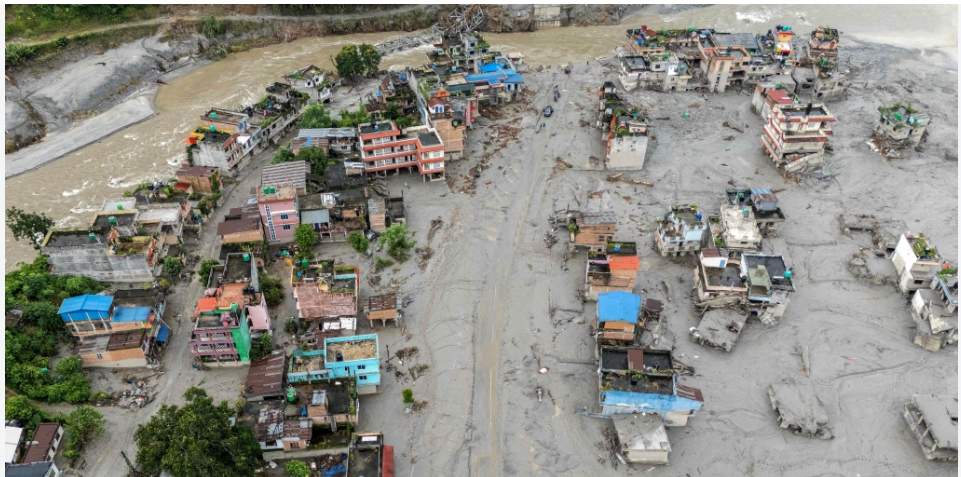
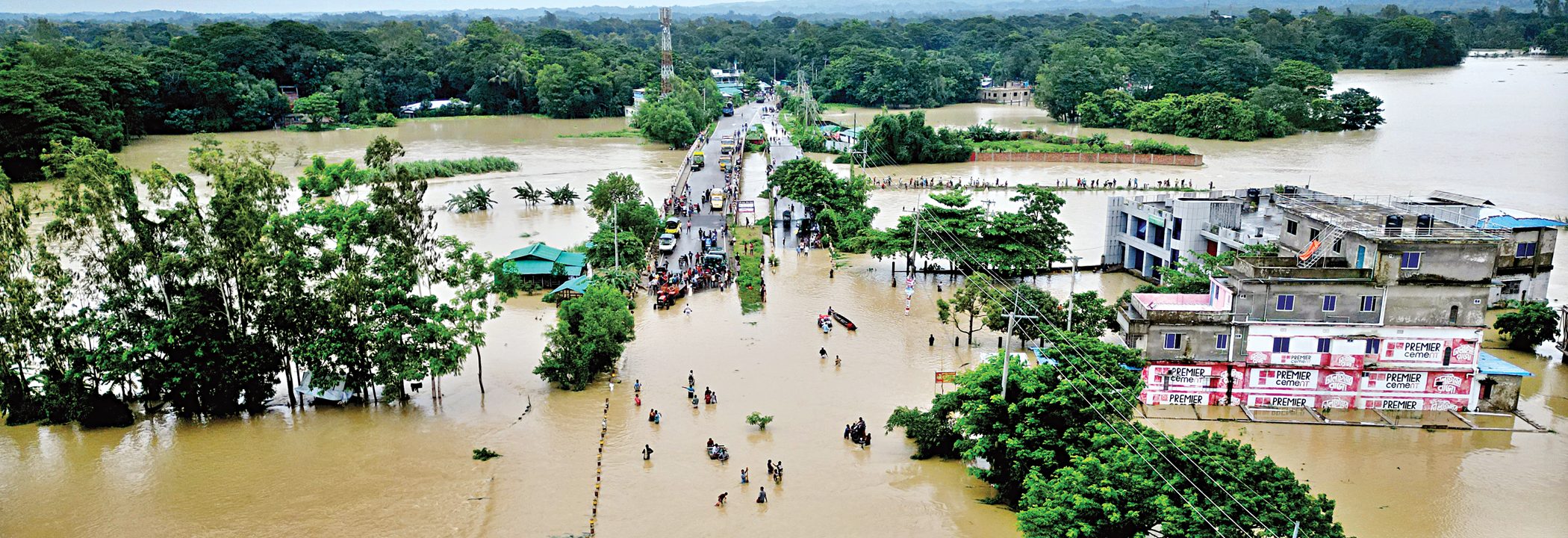
Every year, cyclones, storm surges, floods, droughts, river erosion, salinity intrusion, heatwaves, and erratic rainfall patterns cause significant damage to the country’s economy, agriculture, infrastructure, and livelihoods. Yet Bangladesh contributes less than one percent of global greenhouse gas emissions. Despite bearing little responsibility for the climate crisis, the country continues to pay a disproportionately high price for its consequences.
Against this backdrop, it is crucial to examine how far climate financing has been prioritized in the national budget for the fiscal year 2026–27 and whether the proposed allocations are adequate to meet the country’s growing climate challenges.
The proposed national budget for FY 2026–27 is estimated at approximately BDT 9.30–9.38 trillion. The budget emphasizes controlling inflation, boosting agricultural production, expanding social protection programs, and creating employment opportunities. However, persistent inflationary pressures, revenue shortfalls, external debt obligations, and global economic uncertainties make this a particularly challenging fiscal year. Within these constraints, the government has proposed allocating around BDT 41,208 crore for climate-related activities across 25 ministries and divisions. This represents approximately 10.07 percent of the total budget and only about 0.66 percent of GDP. In addition, around BDT 100 crore has been proposed for the Bangladesh Climate Change Trust Fund.
At first glance, an allocation exceeding BDT 41,000 crore may appear substantial. However, the critical question remains: Is it sufficient to address Bangladesh’s climate risks? The answer is likely no. According to government estimates, Bangladesh will require approximately USD 534 billion in climate-related investments by 2050, equivalent to nearly USD 19.7 billion annually. Various studies also suggest that climate change already causes economic losses amounting to 1–2 percent of the country’s GDP each year.
These losses include reduced agricultural productivity, damage to infrastructure, public health impacts, biodiversity loss, and the growing costs associated with climate-induced displacement and migration.
The coastal region remains the epicenter of Bangladesh’s climate vulnerability. More than 35 million people live in coastal areas directly exposed to rising sea levels, cyclones, storm surges, and salinity intrusion. Districts such as Satkhira, Khulna, Bagerhat, Patuakhali, Barguna, Bhola, and Cox’s Bazar are already experiencing severe shortages of safe drinking water. In many communities, freshwater sources have become increasingly saline, forcing women and girls to travel long distances each day to collect potable water. Climate change is expected to intensify these challenges in the coming decades.
Yet the budget does not provide a clear picture of how much funding is specifically dedicated to coastal water security, salinity management, and climate-resilient infrastructure.
One of the most critical priorities for coastal resilience is the construction and maintenance of sustainable embankments. Past disasters have repeatedly demonstrated that weak or poorly maintained embankments significantly increase the devastation caused by cyclones and storm surges. Civil society organizations and climate experts have long advocated for a dedicated annual allocation of at least BDT 10,000–12,000 crore for resilient coastal embankment systems. Such investments would not only reduce disaster-related losses but also safeguard agriculture, fisheries, settlements, and local economies.
The impacts of climate change are not confined to coastal areas. Northwestern Bangladesh is increasingly vulnerable to droughts and extreme heat. Regions such as Rajshahi, Chapainawabganj, Naogaon, Dinajpur, and Rangpur are witnessing declining groundwater levels and increasing dependence on irrigation. Agricultural productivity is already under pressure, and the anticipated El Niño conditions in 2026 could further worsen the situation. Experts warn that El Niño may lead to higher temperatures, prolonged droughts, and irregular rainfall patterns across Bangladesh. These changes could directly threaten food security and rural livelihoods. Consequently, greater investment is needed in climate-resilient crop varieties, water conservation technologies, small-scale irrigation systems, and capacity-building programs for farmers.
In addition to coastal and inland vulnerabilities, Bangladesh’s char areas (riverine islands) represent some of the most fragile and climate-exposed settlements in the country. These dynamic landforms, formed by the shifting courses of major rivers such as the Jamuna, Padma, and Meghna, are home to millions of extremely vulnerable people who live in constant uncertainty. Char dwellers face frequent river erosion that can wipe out entire villages overnight, forcing repeated displacement and loss of land, homes, and livelihoods. Seasonal flooding isolates communities for months, disrupting access to education, healthcare, and markets.
At the same time, drought-like conditions during dry seasons severely affect agriculture due to poor soil fertility, salinity intrusion in some regions, and lack of irrigation infrastructure. Limited state services, weak embankments, and inadequate disaster preparedness further deepen their vulnerability. As climate change accelerates, char communities are becoming one of the most exposed populations in Bangladesh, highlighting the urgent need for targeted adaptation investments, climate-resilient housing, mobile services, and strengthened early warning systems within national climate budgeting priorities.
Bangladesh’s rivers, which are central to its ecology and economy, are also under immense stress from climate change and human-induced pressures. Riverbank erosion, sedimentation, pollution, and reduced dry-season flows are threatening the livelihoods of millions of people. Climate financing should therefore prioritize river restoration, wetland conservation, and ecosystem-based adaptation measures. Healthy rivers and wetlands function as natural infrastructure that enhances resilience against climate-related shocks while supporting biodiversity and livelihoods.
Another major challenge in climate financing is transparency and accountability. While multiple ministries and government agencies implement climate-related projects, there is often limited public access to clear information regarding how funds are allocated among adaptation, mitigation, and loss-and-damage activities. This lack of transparency makes it difficult to assess the effectiveness and impact of climate spending. Strengthening climate budget tagging and developing more accessible reporting mechanisms would improve accountability and ensure that public resources are used efficiently.
Local governments must also play a more prominent role in climate finance. Union Parishads, municipalities, and Upazila administrations are often best positioned to understand local vulnerabilities and community needs. Providing direct financing mechanisms for locally led adaptation initiatives would improve the effectiveness of climate interventions and ensure that resources reach the most vulnerable populations. Climate adaptation cannot be fully effective if it remains solely a top-down process.
At the international level, Bangladesh must continue to strengthen its efforts to access global climate finance. The establishment of the Loss and Damage Fund under recent UN climate negotiations presents a significant opportunity. The government should pursue proactive diplomatic engagement to secure financial support from this mechanism. At the same time, efforts to mobilize resources from the Green Climate Fund (GCF), the Adaptation Fund, and other international financing sources must be intensified. Given Bangladesh’s proven track record in climate adaptation, it has a strong case for increased international support.
Climate change is not merely an environmental issue for Bangladesh; it is an economic, social, health, and humanitarian challenge. Declining agricultural productivity threatens food security. Climate-induced displacement fuels urban migration and places additional pressure on cities. Growing climate risks can deepen poverty and widen existing inequalities. For these reasons, climate finance should not be viewed as an expenditure but rather as a strategic investment in the country’s long-term stability, prosperity, and resilience.
The FY 2026–27 budget acknowledges the importance of climate financing, but the proposed allocations remain insufficient when measured against the scale of Bangladesh’s challenges. Moving forward, the country needs larger and more targeted investments, stronger transparency mechanisms, greater support for locally led adaptation, and a clearer focus on vulnerable communities. Ultimately, the fight against climate change is not only about protecting the environment, it is about safeguarding lives, livelihoods, and the future of Bangladesh itself.