


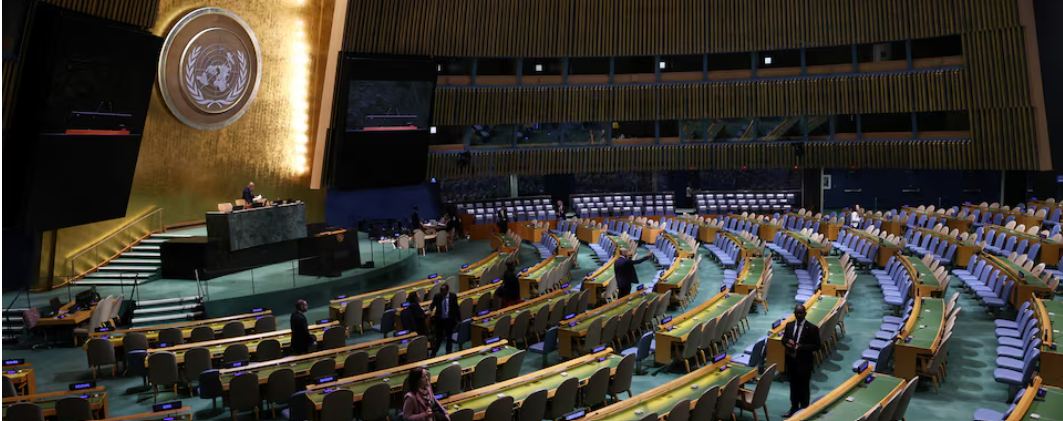



Delegates from nearly 200 countries will gather at the World Conference Center Bonn from June 8 to 18, 2026, for the 64th sessions of the UNFCCC Subsidiary Bodies SB64 2026. This annual mid-year climate meeting, formally known as the June Climate Meetings, brings together the Subsidiary Body for Scientific and Technological Advice (SBSTA) and the Subsidiary Body for Implementation (SBI).
The sessions serve as a critical technical and policy bridge between COP30 in Belém, Brazil, and COP31, scheduled for November 2026 in Antalya, Türkiye. With the Paris Agreement entering a decisive implementation phase, negotiators will focus on translating high-level commitments into actionable progress on mitigation, adaptation, finance, and transparency.
conservation.org Core Agenda and Key Discussions: SB64 2026 will address a wide range of mandated issues under the UNFCCC, the Kyoto Protocol, and the Paris Agreement. Major focus areas include:
- Global Goal on Adaptation (GGA): Following developments at COP30, talks will center on refining the GGA framework, advancing indicator metadata and methodologies, and developing terms of reference for its review. Delegates are expected to address adaptation communications guidance and review the Adaptation Committee’s progress. Nature-based solutions and ocean-related actions are likely to feature prominently in side discussions.
- Mitigation and the Mitigation Work Programme (MWP): Parties will exchange views on the programme’s effectiveness and future, amid divergent positions. Discussions will also cover Article 6 mechanisms, including bilateral trade in Internationally Transferred Mitigation Outcomes (ITMOs) under Article 6.2, infrastructure funding, technical reviews, and capacity building. Non-market approaches under Article 6.8 may see renewed attention on barriers and alignment with Nationally Determined Contributions (NDCs).
- Just Transition: Building on recent decisions, negotiators will lay the groundwork for operationalizing a just transition mechanism and develop terms of reference for reviewing the Just Transition Work Programme.
- Climate Finance: Ongoing negotiations will tackle the Adaptation Fund’s board membership, its exclusive service to the Paris Agreement, and its fifth review. These issues gain urgency as Paris Agreement market mechanisms become operational.
- Technology and Capacity Building: Key items include selecting a new host for the Climate Technology Centre and Network Secretariat, elements of a related memorandum of understanding, and launching the second periodic assessment of the Technology Mechanism. Reviews of capacity-building frameworks and support for Enhanced Transparency Framework reporting are also slated.
Additional topics encompass the Least Developed Countries Expert Group stocktake, the work programme on Action for Climate Empowerment, research and systematic observation, response measures, and cooperation with other international organizations. Dialogue sessions will explore trade’s role, the implementation of the Global Stocktake, finance flow alignment, and issues such as mountain ecosystems.
Targets and Objectives: The primary target of SB64 2026 is to advance technical negotiations and produce draft decisions or recommendations for adoption at COP31. As a non-COP “intersessional” meeting, it emphasizes detailed, often contentious technical work rather than high-level political deals. Success will be measured by progress on stalled issues—such as adaptation indicators and finance arrangements—and by maintaining momentum toward more ambitious NDCs and implementation of the Paris Agreement’s goals.
Observers note that efficient progress is essential amid a crowded agenda of over 50 items. The meetings aim to strengthen synergies across the Rio Conventions, enhance observer engagement, and ensure developing countries receive adequate support for reporting and action.
Civil society groups, including those focused on nature-based solutions and digital innovation for climate action, plan active participation through side events to push for equitable and scalable outcomes.
As climate impacts intensify globally, the Bonn talks represent a vital opportunity to move from ambition to implementation. Outcomes from SB64 2026 will significantly shape the agenda and expectations for COP31 in Türkiye, where further political decisions are anticipated.
This report draws on official UNFCCC announcements and analyses from organizations tracking the negotiations.
The article is written by Md Mahir Daiyan, Editor-in-Chief