



Climate Desk
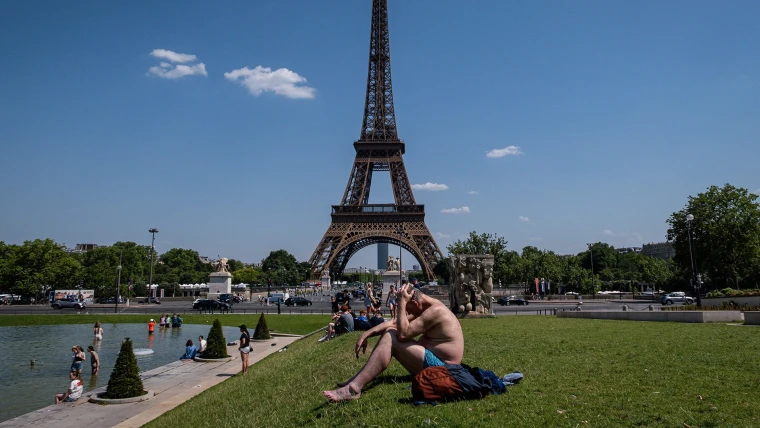
Europe is burning through another dangerous summer, and the message is no longer hidden in scientific reports. It is visible in cancelled trains, red heat alerts, exhausted hospitals, stressed wildlife, dry soils, melting glaciers and people trying to survive temperatures that were once considered exceptional. In June 2026, parts of Europe again faced temperatures close to 40°C, with Spain, Italy, France and Germany issuing warnings as heat disrupted transport, tourism and daily life.
This is not simply “hot weather.” It is climate change becoming a lived reality.
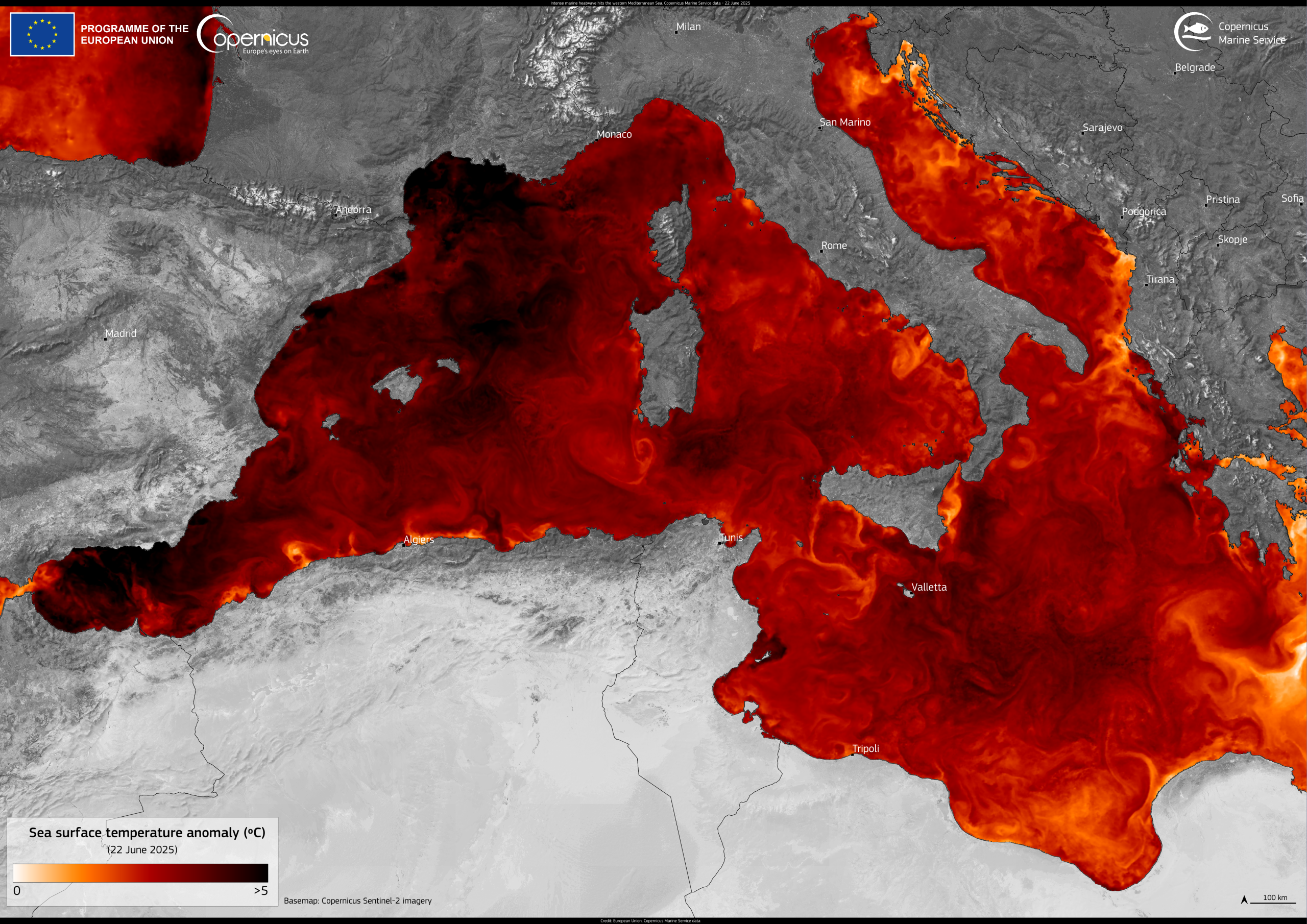
The latest Copernicus data shows that Europe is the fastest-warming continent on Earth, warming more than twice as fast as the global average. Europe has already warmed by around 2.5°C compared with the pre-industrial period. Since the mid-1990s, the continent has warmed at about 0.56°C per decade. This means Europe is not just experiencing climate change; it is standing at the front line of accelerated warming.
May 2026 offered another clear signal. Globally, it was the second-warmest May ever recorded. Europe also recorded its third-warmest spring, while western Europe experienced an unusually early and intense heatwave. In France, England and Wales, daily average temperatures rose more than 10°C above normal in some areas. “Feels-like” temperatures reached 35°C to 40°C across large parts of western Europe, creating strong to very strong heat stress.
The human cost is already severe. The World Meteorological Organization and Copernicus reported that 2024 was Europe’s warmest year on record. That year also brought severe storms and widespread floods, killing at least 335 people and affecting more than 413,000. This is the dangerous face of a warmer atmosphere: more heat, more moisture, stronger rainfall, deeper drought and more unstable seasons.
Europe’s crisis also tells an important story for the rest of the world. Richer countries with strong infrastructure are still struggling to protect people from climate extremes. Rail lines expand under heat, power demand rises, farms lose productivity, elderly people face health risks, and cities become heat traps. If this is the reality in Europe, then climate-vulnerable countries like Bangladesh must take the warning seriously.
For Bangladesh, Europe’s heatwave is not a distant event. A warming Europe affects global food prices, energy markets, migration pressure, climate finance politics and international negotiations. When wealthy regions suffer repeated disasters, global attention and funding can shift inward. That may reduce the urgency of support for vulnerable countries unless climate diplomacy becomes stronger and more coordinated.
The lesson is clear: climate adaptation can no longer be treated as a secondary issue. Cities need heat action plans, more trees, cool roofs, public drinking water points, climate-resilient transport and emergency health systems. Rural areas need water management, climate-smart agriculture and protection from extreme rainfall and drought. At the same time, fossil fuel emissions must decline faster, because adaptation alone cannot protect people from unlimited warming.
Europe’s heat is a warning written in degrees Celsius. It shows that climate change is no longer a future threat; it is today’s economic, health and security crisis. The world has entered a period where every fraction of a degree matters. For Bangladesh and other vulnerable nations, the response must be urgent: stronger climate diplomacy, faster adaptation investment and a firm demand that major emitters take responsibility.
The planet is not waiting for political comfort. Europe’s summer is telling us that delay is now the most expensive policy of all.