



Section: Conference Desk | Publication: Green Time
LONDON — Between June 20 and 28, the UK capital transformed into the epicenter of global environmental discourse for the eighth annual London Climate Action Week (LCAW) 2026.
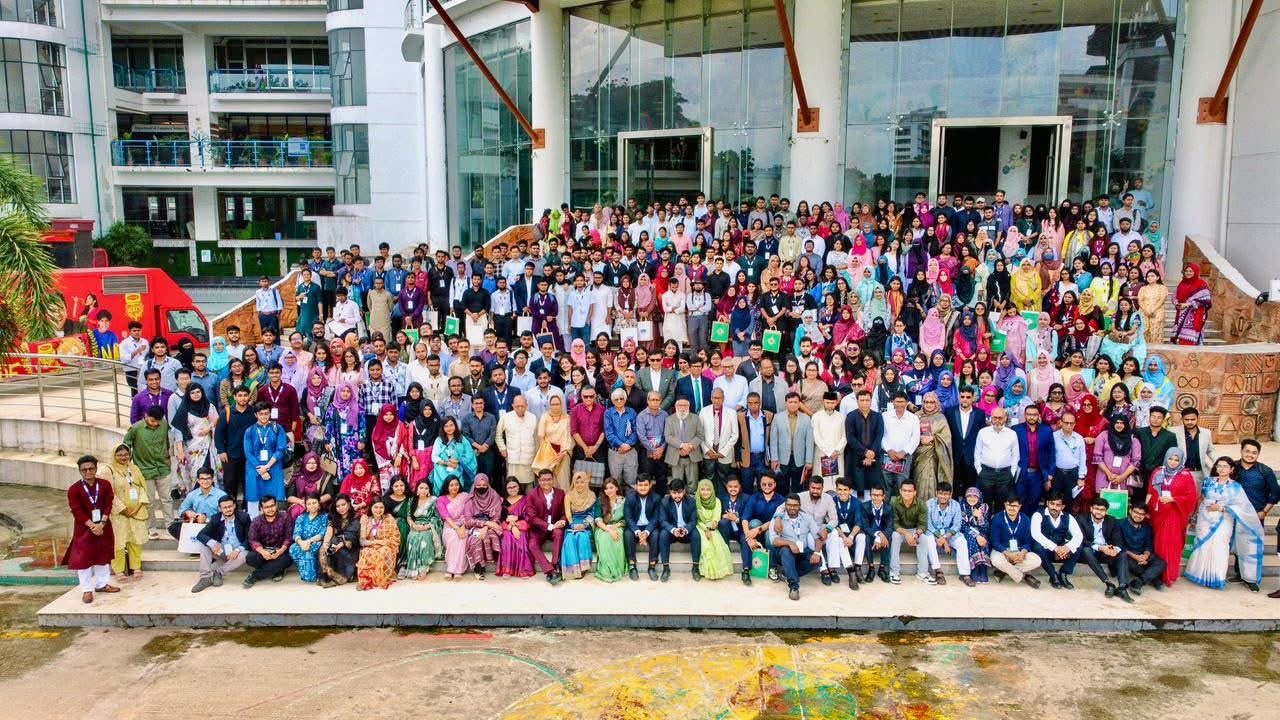
Recognized as Europe’s largest independent climate gathering, the nine-day summit mobilized over 45,000 attendees and featured more than 700 events. Operating under the pressing theme of “Climate Cooperation in a Fractured World,” leaders from government, business, civil society, and the financial sector convened to bridge the critical gap between climate ambition and real-world implementation.
A Push for Systemic Resilience and Finance
A dominant focal point across the week was the urgent need to unlock and restructure climate finance, particularly for the Global South and Small Island Developing States (SIDS). High-level convenings, including the London Climate Resilience Finance Summit and the UNEP FI Global Roundtable, tackled how to move from pledges to tangible action.
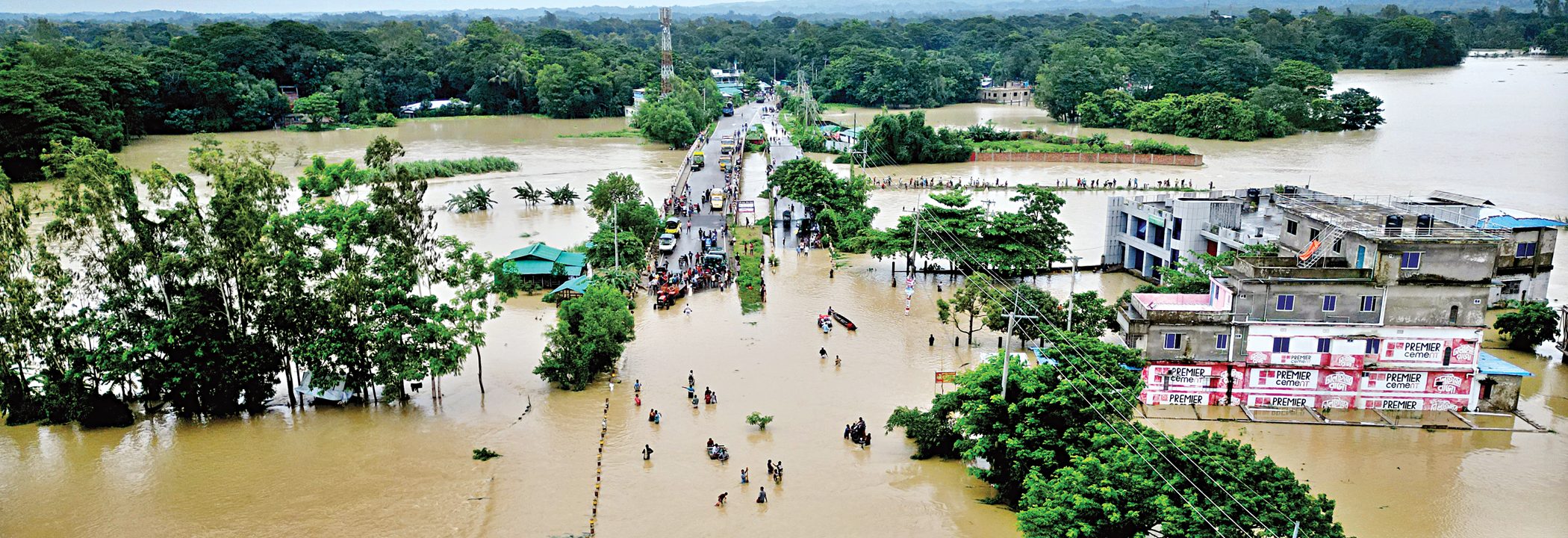
Key discussions emphasized that public and private development banks must undergo internal reforms to support large-scale green economic transformations. Experts repeatedly noted that embedding climate resilience directly into mainstream financial decision-making is no longer optional, but a foundational requirement to protect communities, supply chains, and global infrastructure from escalating climate shocks.
Nature and Biodiversity Take Center Stage
Moving well beyond traditional carbon emission targets, LCAW 2026 proved that biodiversity and nature markets are now core pillars of the climate agenda. Dedicated sessions explored the integration of nature-based solutions and highlighted the vital role of Indigenous leadership in safeguarding critical ecosystems like the Amazon.
Innovators and global financial institutions used the platform to examine new insurance solutions designed to de-risk nature restoration. The consensus was clear: securing natural habitats and building regenerative supply chains are inextricably linked to achieving long-term net-zero and climate stability goals.
Equipping the Workforce for a Just Transition
As industrial policy returns to the center of geopolitical decision-making, ensuring a “Just Transition” was a recurring priority. Events such as the Green Skills Festival brought together educators, practitioners, and community leaders to identify the specific capabilities needed to build a regenerative economy. Discussions explored the social and environmental risks borne by marginalized communities particularly concerning the global race for transition minerals—and how to ensure that the shift away from fossil fuels does not leave vulnerable populations behind.
The Road to COP31
Serving as the crucial midpoint in the international climate calendar, LCAW provided a strategic stepping stone toward upcoming global summits, including the road to COP31. Organizations mapped out highly actionable pathways for decarbonizing complex heavy industries such as aviation, shipping, and cement—while balancing critical issues like global food security.
By focusing on radical cross-sector collaboration, equitable resource partnerships, and robust climate governance, London Climate Action Week 2026 successfully delivered a practical blueprint for maintaining momentum amidst an increasingly complex global landscape.