

Bangladesh receives significant attention and funding for climate change. But how much of that support actually reaches the people who need it most?
By Mongurul Islam Taskin
I come from Bhola, the largest island in Bangladesh. Growing up in a coastal area, I have seen how people struggle with cyclones, floods, river erosion, and damaged embankments.
Later, I studied Environmental Science and Disaster Management at Daffodil International University. I also completed my undergraduate research on climate-related loss and Damage in coastal Bangladesh.
For me, climate change is not just something we discuss in classrooms or conferences. It is something I have seen closely.
And one question has always bothered me.
We receive so much climate funding in the name of vulnerable communities. But how much of that money actually improves their lives?
What I Saw in Coastal Bangladesh
Around 2021 and 2022, I had the opportunity to work on the Climate Resilient Infrastructure Mainstreaming (CRIM) project, supported by the Green Climate Fund (GCF), German development bank KfW, and the Government of Bangladesh.
Our work involved feasibility studies for multipurpose cyclone shelters. These buildings were planned to serve as schools during normal days and safe shelters during disasters.
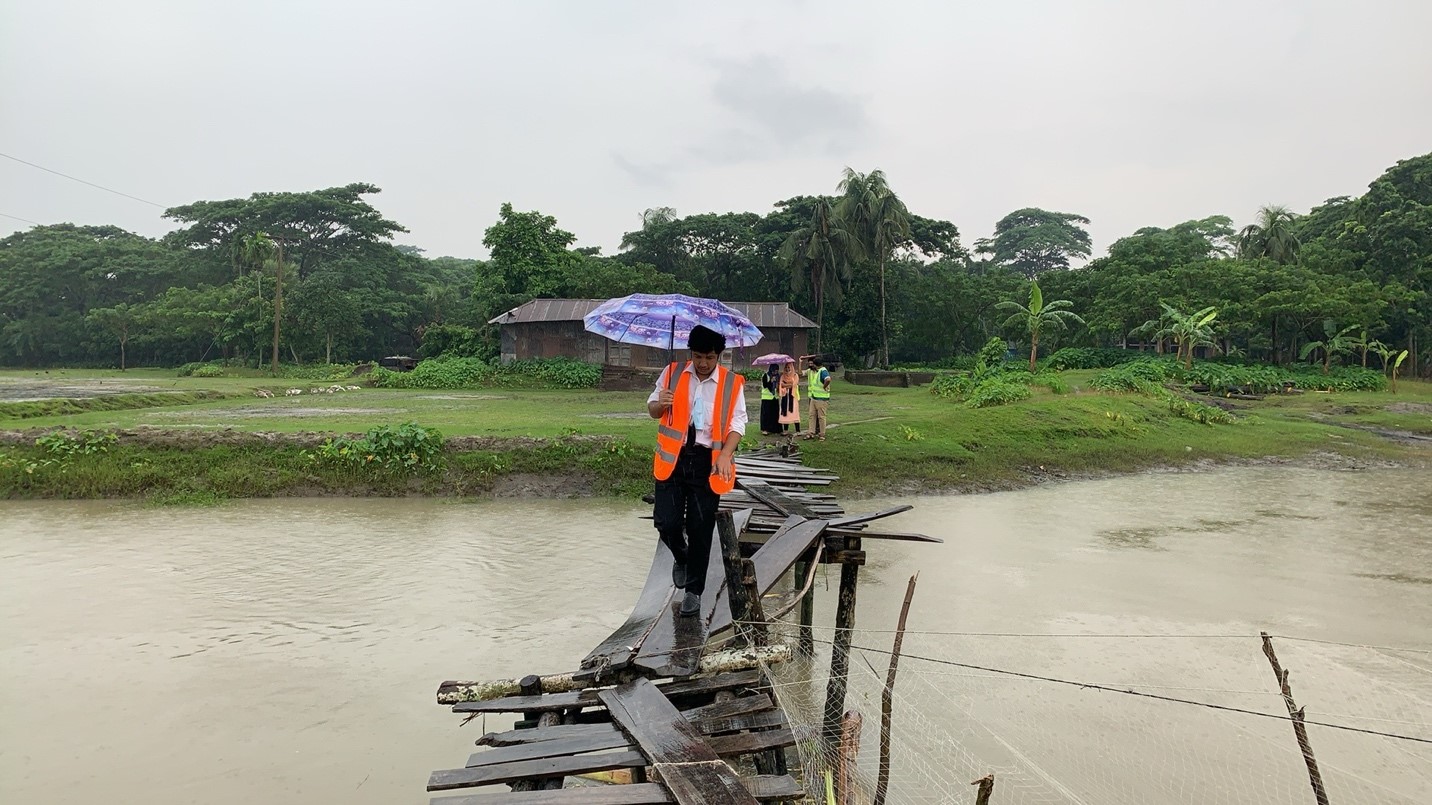
I spent around a month visiting remote coastal villages, including Monpura in Bhola.
I talked to local people and saw their living conditions. Many families live with the constant fear of flooding, river erosion, and losing their homes.
Most of these people do not know much about climate finance, COP conferences, or international Loss and Damage funds.
They know that a cyclone has damaged their house. Saltwater has destroyed their crops. Their fishing boats are gone. Sometimes they have to leave their homes.
After a disaster, they wait for government relief. Maybe some rice, money, or temporary support.
Then life goes on until the next disaster.
But these are the same people whose stories are used to raise millions in climate funding.
When Climate Change Becomes a Conference Topic
Recently, I watched a video where someone raised an interesting issue about climate programs in Bangladesh.
He talked about how some organizations arrange expensive seminars in five-star hotels.
A few experts attend. They discuss climate change for hours. There are presentations, expensive meals, photographs, and media coverage.
At the end, the conclusion is often the same.
“The government should take necessary steps.”
Of course, the government should take action. But what happens after the conference?
Does anyone return to the affected villages? Do local people see any improvement?
I am not against seminars, research, or international conferences. These are important.
But sometimes it feels like we are spending more time discussing climate change than actually helping the people affected by it.
Coastal People Need Strong Embankments
One thing I strongly believe is that coastal Bangladesh needs much more attention to its embankments.
For someone living in Dhaka, an embankment may look like a simple structure. But for a coastal family, it can mean everything.
A strong embankment protects homes, farmland, drinking water, and livelihoods.
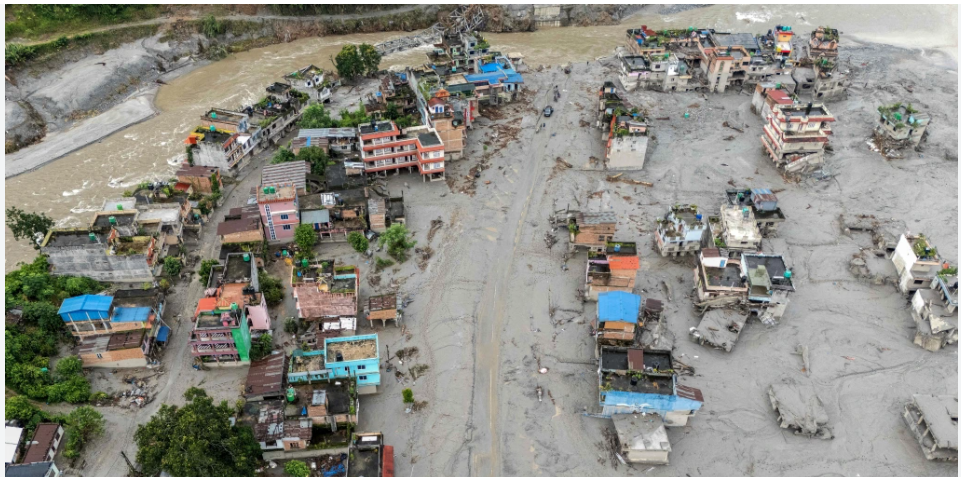
When it breaks, saltwater enters agricultural land. Crops are destroyed. Fish farms are damaged. Families lose their income. Some are forced to leave their villages.
I have seen how difficult life becomes in these situations.
The Netherlands has a long history of coastal protection and water management. Dutch expertise has also contributed to water management in Bangladesh.
We have much to learn from this experience.
Yet I feel that strong embankments, regular maintenance, and long-term coastal protection deserve far more attention in our climate discussions.
Instead of only discussing how much we have lost, why are we not investing more in preventing the next loss?
Where Does the Climate Funding Go?
Bangladesh receives international support for climate adaptation, disaster management, and environmental projects.
That support is necessary. But I believe we need more transparency.
How much funding reaches coastal communities?
How much goes to administration, consultants, seminars, and foreign travel?
How much is invested in infrastructure and long-term solutions?
I do not have the financial records of every project. So, I cannot say exactly how much money reaches the people who need it.
But I believe these questions deserve clear answers.
There are organizations doing meaningful work. The Bangladesh Red Crescent Society and the Cyclone Preparedness Programme are good examples of long-term disaster preparedness. I have also learned about Australian supported education initiatives helping children in coastal Bhola.
These initiatives show the value of working directly with communities.
My concern is with projects where the visible results are limited to surveys, photographs, workshops, and reports.
Research is important. Awareness is important too. But there should be a clear connection between these activities and real improvements.
I also believe local researchers, organizations, and affected communities should have more opportunities to participate.
Sometimes coastal people are invited to climate events in Dhaka to share their struggles. But how often are they involved when decisions about funding are made?
Their participation should mean more than appearing in photographs or speaking at a conference.
We Need Action, Not Just Discussion
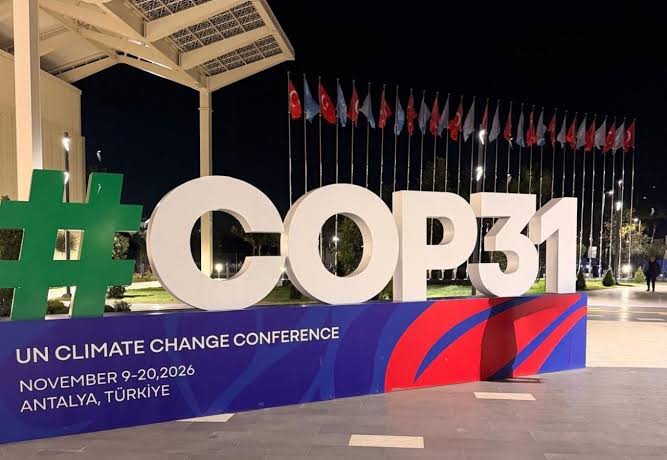
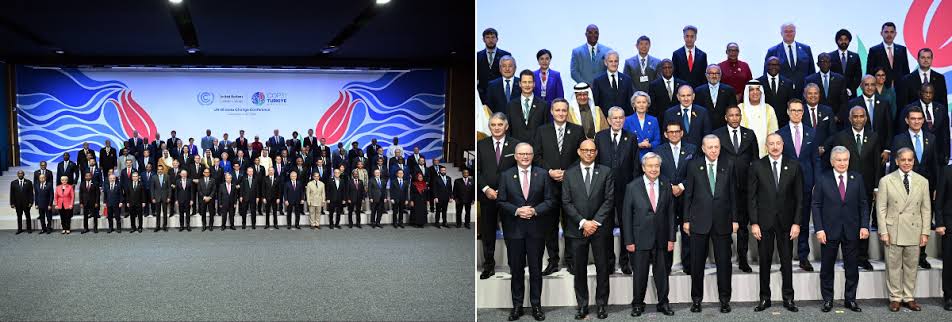
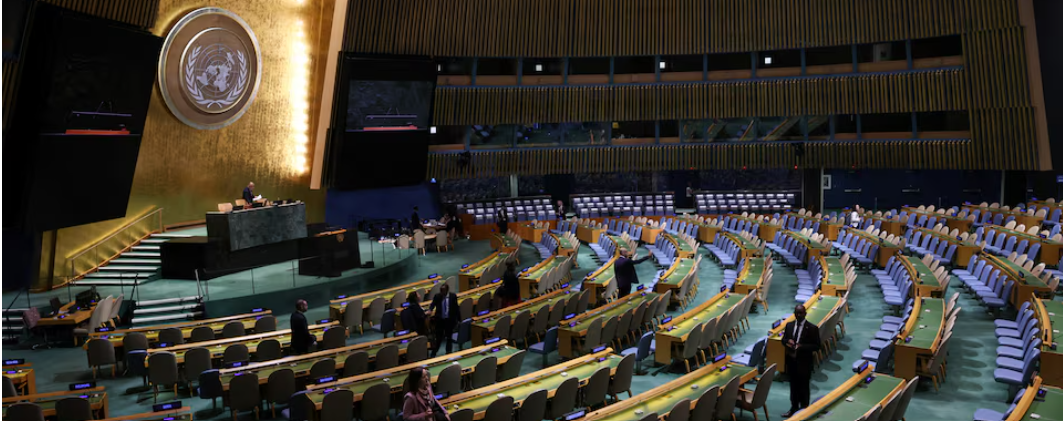
International climate conferences like COP are important for Bangladesh. We need international cooperation, research, and fair access to climate finance.
But securing funding should not be the final achievement.
We need stronger embankments, safer cyclone shelters, better drainage, access to drinking water, and sustainable livelihoods.
We also need to know what happens after climate projects are completed.
Did the project improve people’s lives? Did it reduce their risks? Will the results last?
These questions should matter more than the number of workshops organized or reports published.
I still remember the people I met during my fieldwork in Monpura.
They may not understand the language of international climate negotiations. But they understand the value of a strong embankment, a safe home, and a secure livelihood.
I want Bangladesh to receive more climate funding. I want our researchers and organizations to have more opportunities.
But most importantly, I want that funding to make a real difference in coastal communities.
We can continue discussing climate change in five-star hotels. But if those discussions never reach the broken embankments of Monpura, we need to question whether we are focusing on the right things.
The real success of climate finance should not be measured by how many conferences we organize.
It should be measured by how many lives we improve.
Author: Mongurul Islam Taskin is a graduate of Environmental Science and Disaster Management from Daffodil International University. His research focused on climate-related loss and Damage in coastal Bangladesh. Originally from Bhola, he has field experience in climate-resilient infrastructure and coastal development.